Clean water from a supply pipe
Category 1Category 1 water from a burst supply pipe, a water heater or an ice maker hose. Caught early, most materials dry in place.
Burst and pinhole pipe leaks ›The restoration team extracts standing water, finds where it traveled behind walls and under floors, and dries the structure to the IICRC S500 standard across Beverly Hills, from hillside homes to Wilshire condos.
Active water is treated as urgent at any hour. Close the main if it is safe, then call.
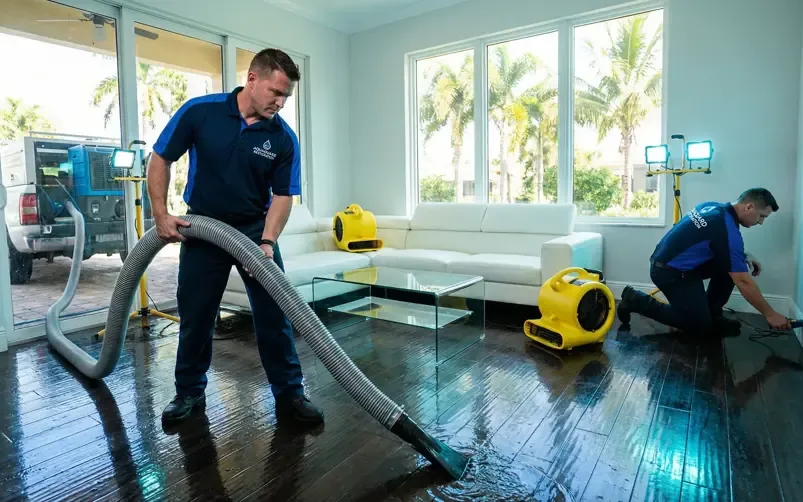
Water and sewage only, grouped by where the water starts: inside the walls, outside in a storm, below grade, or across a whole floor. Every service is dispatched day and night.
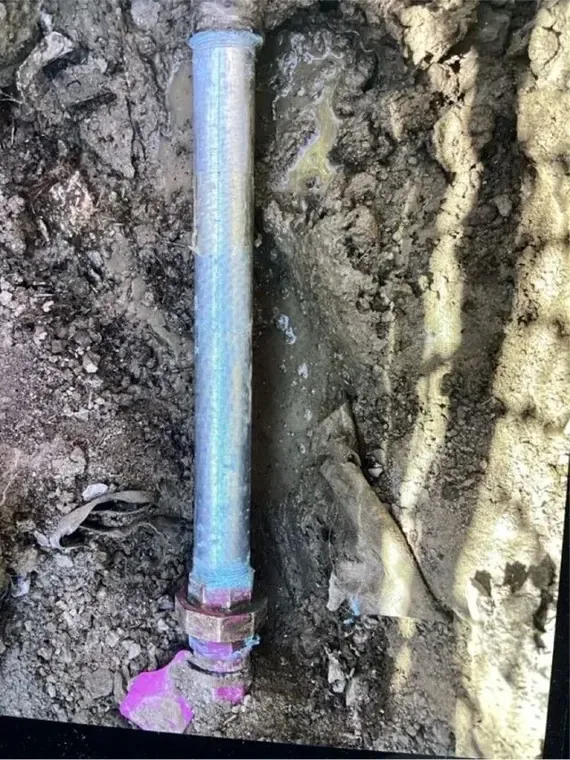
Galvanized and copper supply pipe that splits or pinholes inside a wall, opened and dried.
How it is handled ›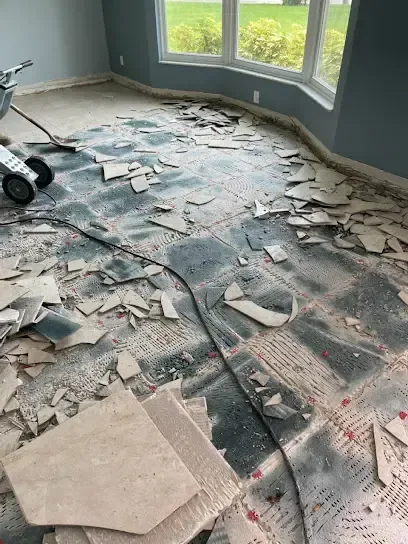
Hot-side leaks under slab floors, flooring lifted after leak detection and the concrete dried.
How it is handled ›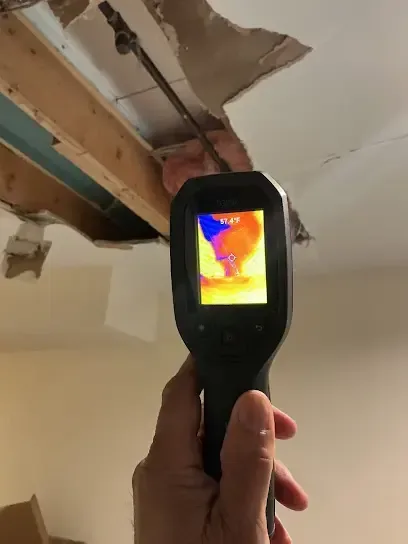
Leaks from the unit or bathroom above, traced with thermal imaging and dried bay by bay.
How it is handled ›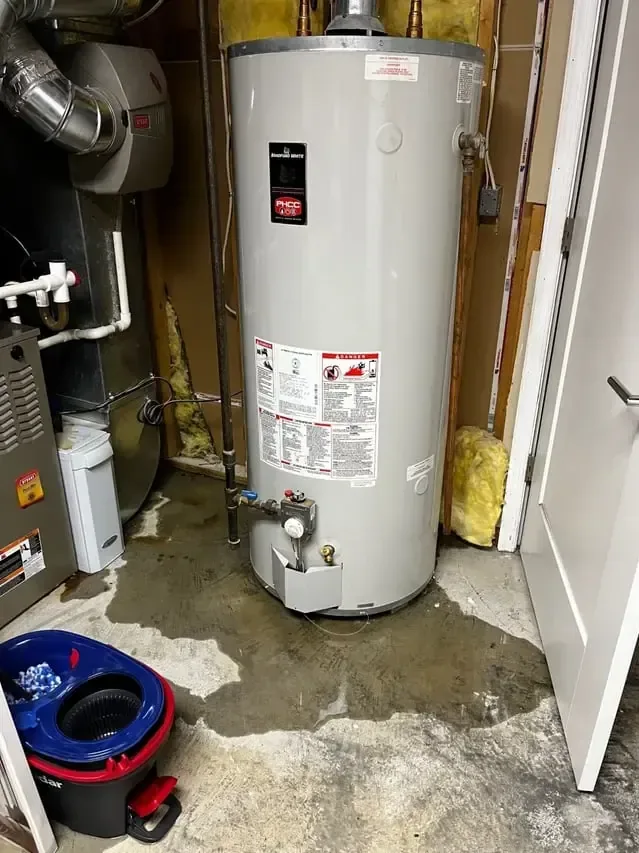
Hard water wears tanks out early; garage and closet floods extracted before drywall soaks.
How it is handled ›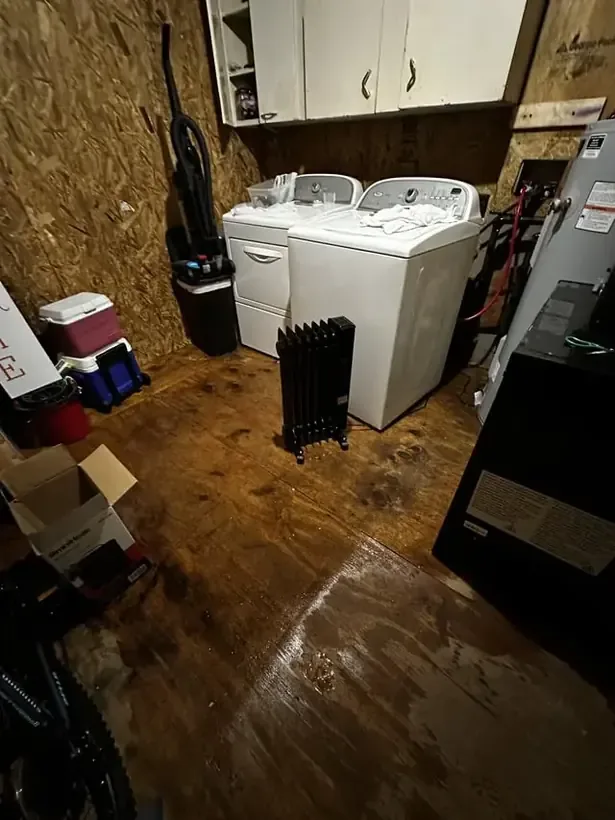
Ice maker, dishwasher, washer and sink supply hose leaks pulled out of floors and cabinets.
How it is handled ›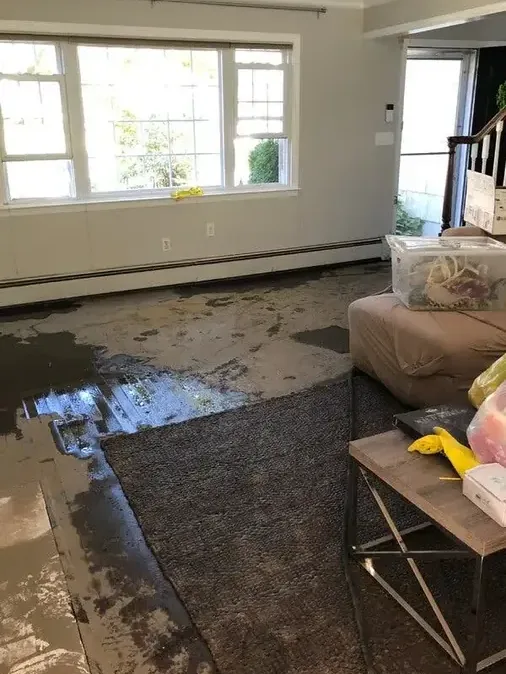
Wind-driven rain at doors, windows and walls during atmospheric river storms, extracted and dried.
How it is handled ›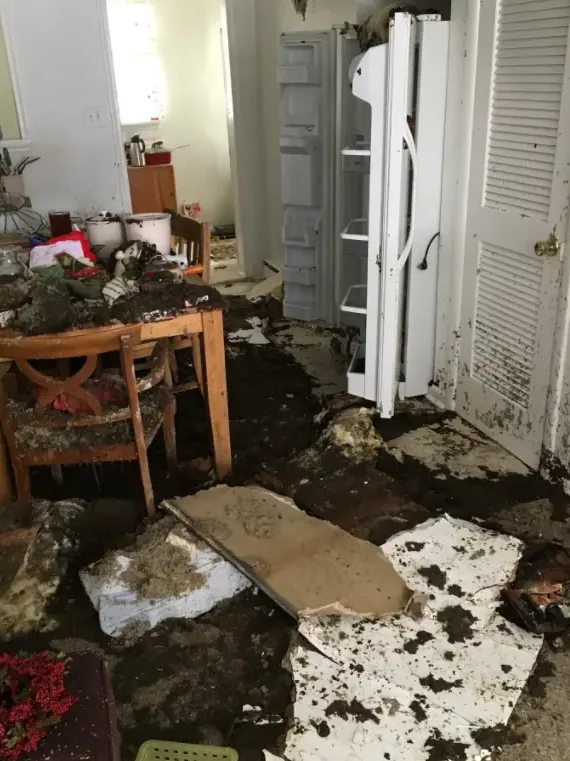
Hillside runoff and mud that reach garages and lower floors, handled as contaminated water.
How it is handled ›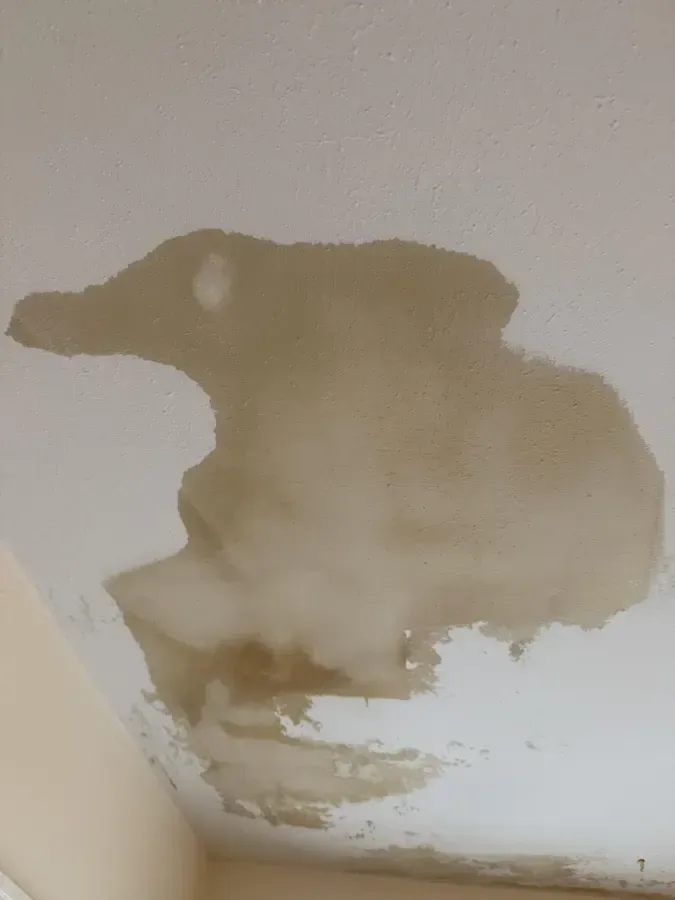
Flat, low-slope and tile roof leaks in the first big storm, wet insulation removed.
How it is handled ›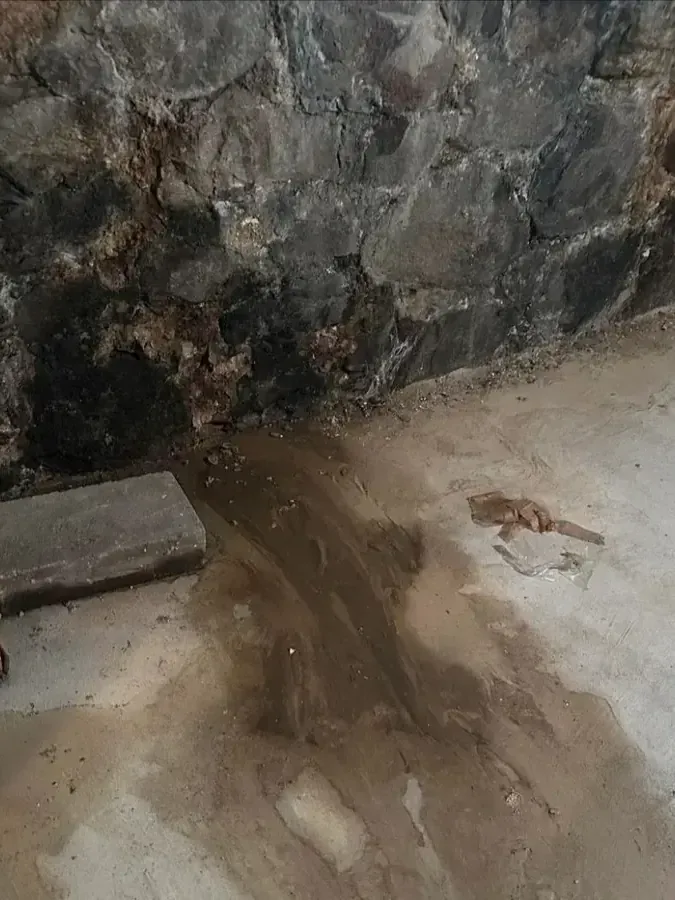
Below-grade rooms, media rooms and storage levels pumped out and dried down to the slab.
How it is handled ›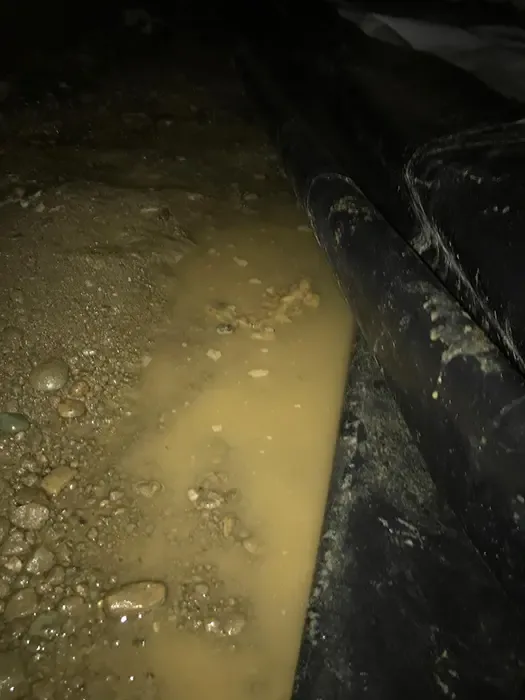
Water under raised wood floors pumped out, wet insulation pulled and the joists dried.
How it is handled ›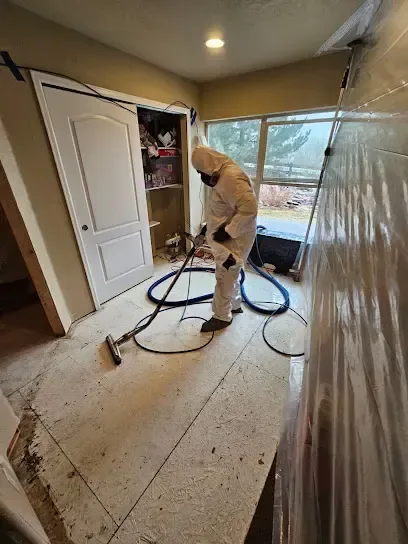
Toilet, drain and sewer lateral backups handled as Category 3 from the first visit.
How it is handled ›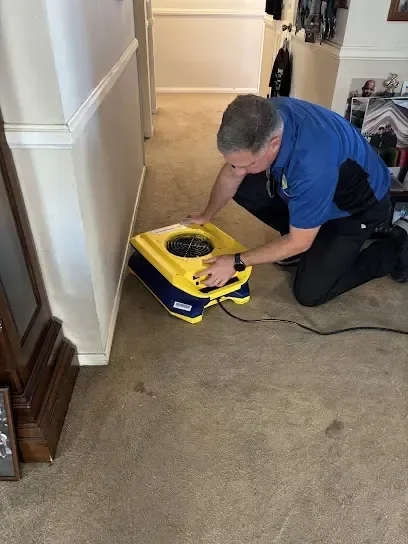
Truck-mounted and portable extraction, with long hose runs for condos and hillside driveways.
How it is handled ›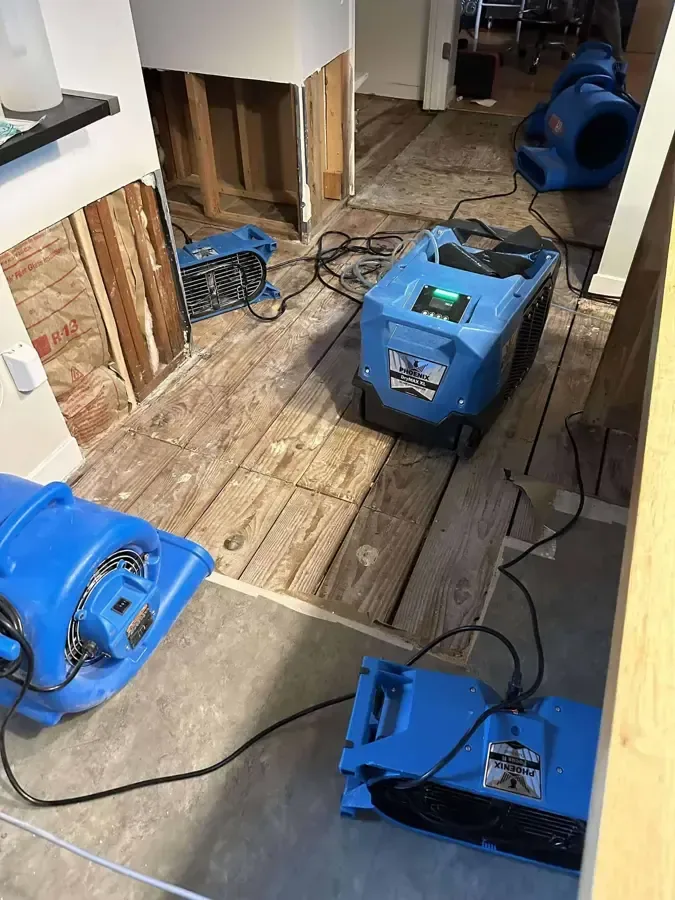
Plaster, hardwood, framing and concrete dried with LGR and desiccant units to a dry reference.
How it is handled ›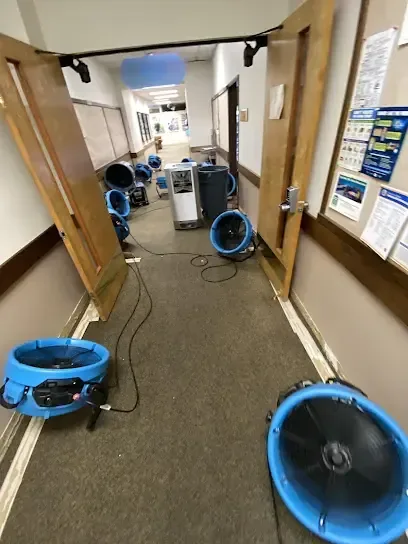
Shops, medical suites, offices and hotels dried in phases so business can keep going.
How it is handled ›Close the main shutoff or the fixture valve, and switch off the water heater if its tank is leaking.
Turn off breakers for any room with water near outlets, and stay out from under soaked ceilings.
Take wide and close photos of the water, the source and damaged belongings before anything is moved.
Move rugs, art, electronics and papers to a dry floor, and set furniture legs on foil or blocks.
Standing water wicks into walls and subfloor quickly, and mold can start growing within 24 to 48 hours.
The city climbs from the Flats into the hills north of Sunset Boulevard, and its homes range from 1910s estates to 1960s Trousdale houses and Wilshire condos. Each type fails differently.
Two atmospheric rivers hit Southern California. Bel Air, on the city's northwest edge, logged 12.42 inches of rain in 24 hours, and Los Angeles declared a state of emergency.


Water moves differently in a terraced hillside house, a prewar home on a raised floor and a stacked condo, so the drying plan starts from the building type.
Active water is treated as urgent day and night, holidays included, and the response team arrives with pumps, air movers and meters.
Framing, subfloor and plaster are dried to a dry reference, not just until the surface feels dry to the touch.
Moisture maps, daily psychrometric logs and timestamped photos taken before any demolition go to the adjuster.
Hardwood, stone and plaster get drying mats and desiccant units, with containment that protects the rooms that stayed dry.
IICRC S500 is the industry standard for water damage restoration. It sets how a loss is categorized, how equipment is sized to each room and the dry target that readings must reach before any equipment leaves.
Meters and thermal imaging trace how far water traveled in walls, floors and ceilings before any equipment goes down.
Category 1, 2 or 3 sets what can be dried in place; Class 1 to 4 sets how much equipment each room needs.
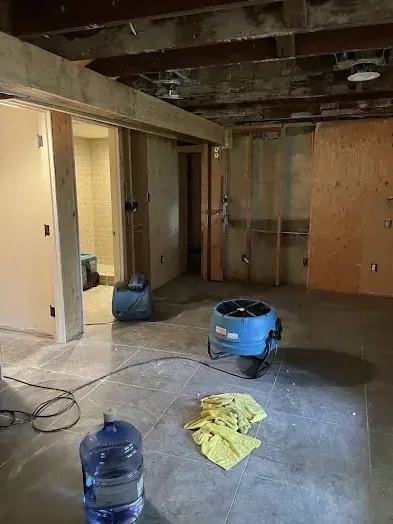
Air movers and LGR dehumidifiers run inside plastic containment, with desiccant units for dense hardwood, plaster and concrete.
Daily readings are compared with a dry reference material in the same building until wet areas sit within 2 to 4 points.
Category 1 water from a burst supply pipe, a water heater or an ice maker hose. Caught early, most materials dry in place.
Burst and pinhole pipe leaks ›Category 2 water from a washer, dishwasher or overflow. Carpet pad usually comes out, and surfaces get an EPA-registered antimicrobial.
Appliance and supply hose leaks ›Category 3 water from a sewer backup or hillside runoff that crossed soil. Porous materials it touched are removed, not dried.
Sewage backup cleanup ›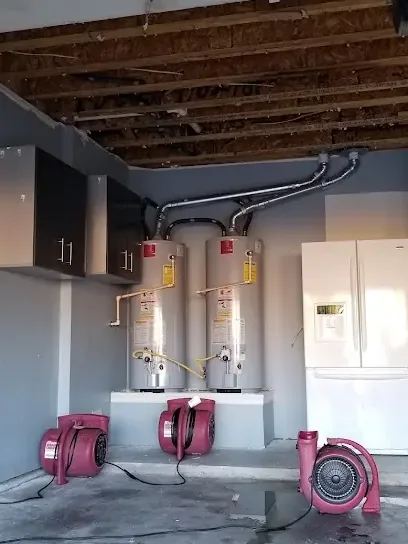
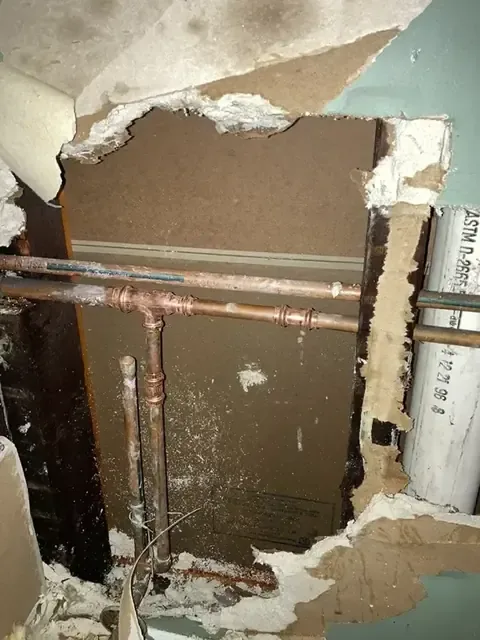
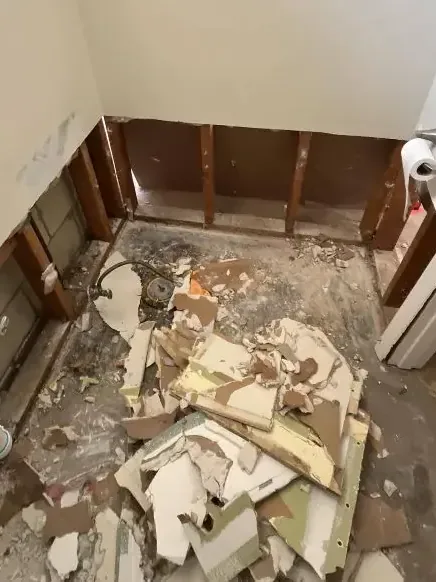
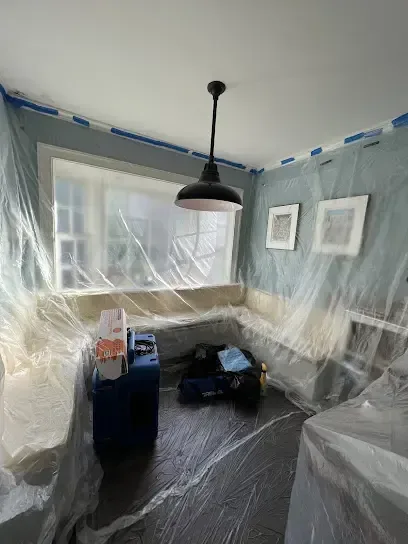
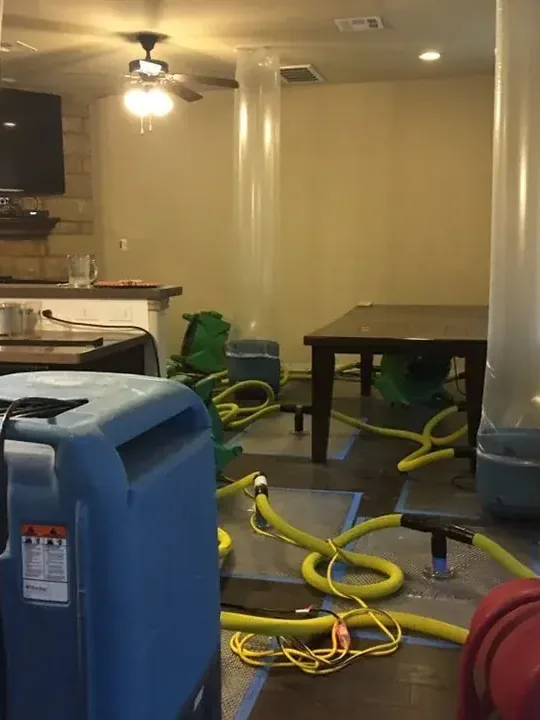
Dispatch covers every street in the city, and the first questions are the cross street and which level is wet, so the right equipment goes on the truck.
Hillside homes need long hose runs, high-rise condos need portable units, and Golden Triangle shops often need after-hours work.
See every neighborhood, ZIP and nearby city ›
Check that your street is coveredA water claim is decided on the file. The mitigation team builds that file as the work happens, so the adjuster can see what was wet, why it was removed and when it read dry.
Most homeowner policies treat sudden and accidental water, such as a burst pipe or a failed water heater, differently from flooding or a slow leak.
Surface water and flooding are usually separate coverage. Coverage depends on your policy, so read it and check with your own insurer before work beyond mitigation begins.
In Beverly Hills, CA, water damage restoration typically runs $1,200 to $12,000 or more. Water category, square footage, material class and how fast drying started set the number, and hardwood, stone and plaster finishes push it higher.
These ranges are typical, not a quote. The final scope comes from the walkthrough and the moisture map, and the water damage cost calculator gives a closer planning range for one loss.
Dispatch runs 24/7, holidays included, and active water is treated as urgent at any hour. The crew heads out with extraction gear, air movers and meters, because every hour of standing water soaks deeper into walls, subfloor and finishes.
Many policies cover sudden and accidental water, such as a burst pipe or a failed water heater, while flooding, surface runoff and slow leaks are treated differently. Coverage depends on your policy, so check with your own insurer. The claim file documents what happened either way.
Older supply pipe in prewar homes, hard water that wears out water heaters and hoses, sewer laterals that clog, stacked condos where one leak reaches the unit below, and hillside runoff during atmospheric river storms like the ones in February 2024.
A contained clean-water loss usually dries in three to five days. Plaster, hardwood, stone and concrete take longer because dense materials release water slowly. Equipment stays until readings sit within 2 to 4 points of a dry reference.
IICRC S500 is the industry standard for water damage restoration. It sets how water is categorized, how drying equipment is sized for each room, and the dry target that readings must reach before equipment comes out.
Close the main or the fixture valve, switch off breakers for wet rooms, and photograph everything before it is moved. Lift rugs, art and electronics off wet floors, and stay out of rooms under a sagging ceiling.
Drywall soaked by clean water can often be dried in place if extraction starts early. Drywall touched by sewage or runoff comes out, and so does drywall that swells, crumbles or stays wet past the 24 to 48 hour window when mold can start to grow.
Sewage is Category 3 water from the first minute. Technicians wear PPE, contain the area, remove porous materials above the waterline, and treat surfaces with an EPA-registered antimicrobial at its labeled dwell time before drying begins.
Cost follows the water category, the square footage that got wet, the material class and how fast drying started. Hardwood, stone and plaster add equipment days, and a sewage loss adds removal, containment and cleaning.
No. Runoff that crossed soil, mulch or pavement is treated as contaminated, so carpet, pad and soaked drywall are usually removed. The slab and framing are then cleaned, treated and dried to the same S500 target.
One call starts extraction, containment and drying, with readings logged daily for the claim file.
(888) 578-6508Book the moisture mapping visit