Pipes and fixtures
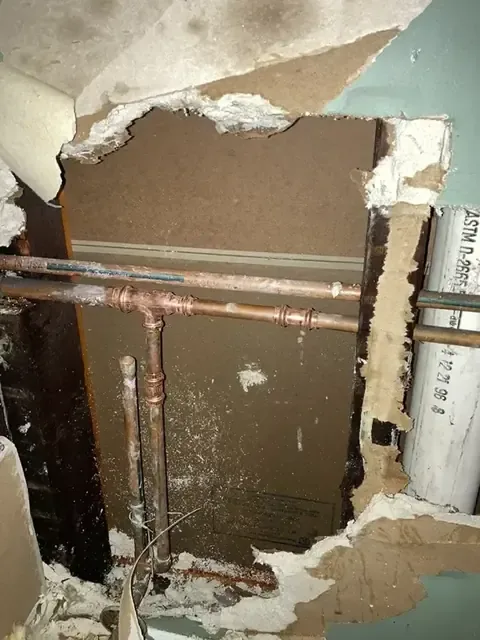
Category 1Burst or pinhole pipe leaks, water heaters and supply hoses release steady flows inside walls, closets and garages before anyone notices.
See pipe leak cleanup ›Burst pipes, failing water heaters, storm leaks and sewage backups all end the same way: wet floors and walls. A crew extracts the standing water, dries the structure and documents the loss for the owner or landlord.
Reports for landlords, property managers and insurers can follow the work, with photos and moisture readings kept for each room.
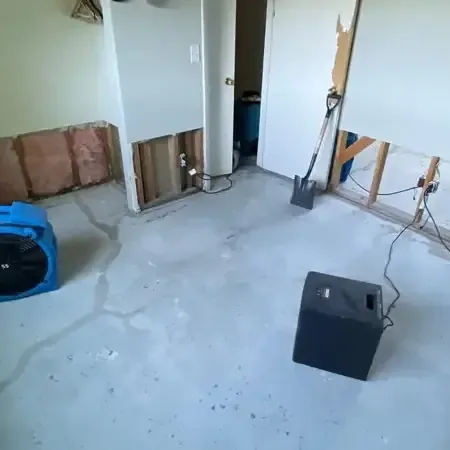
Each page below covers one kind of loss, from a pinhole pipe leak to a flooded garage. Pick the closest match, or call and describe what is wet.
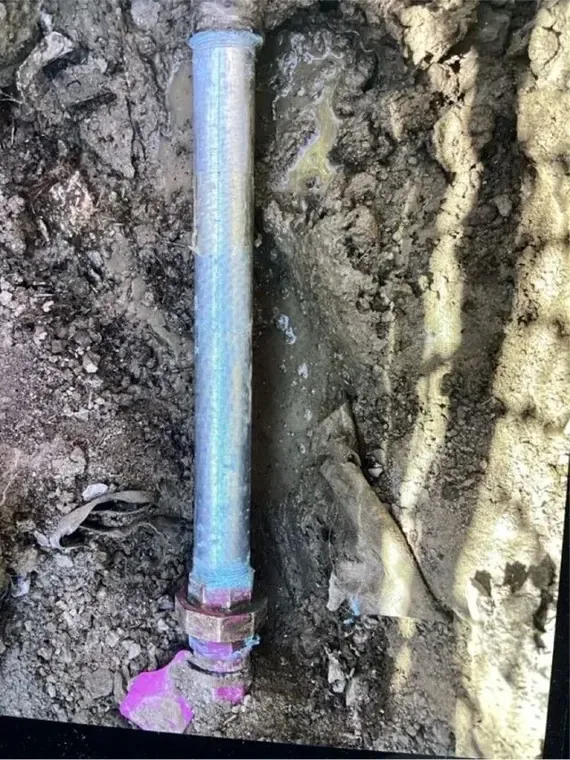
Age and pressure failures flood walls and floors quickly, and the water often hides inside the wall first.
See the service details ›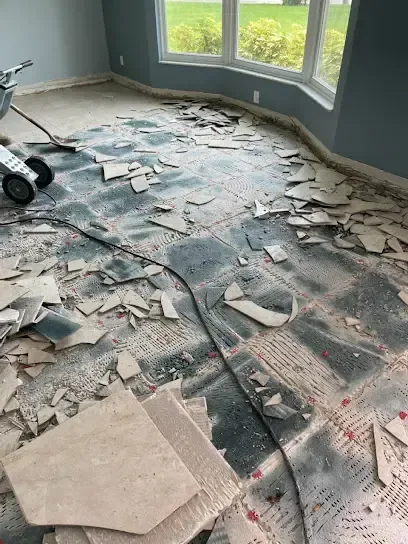
A leak under the slab means lifted flooring, then drying the slab and the wall bases above it.
See the service details ›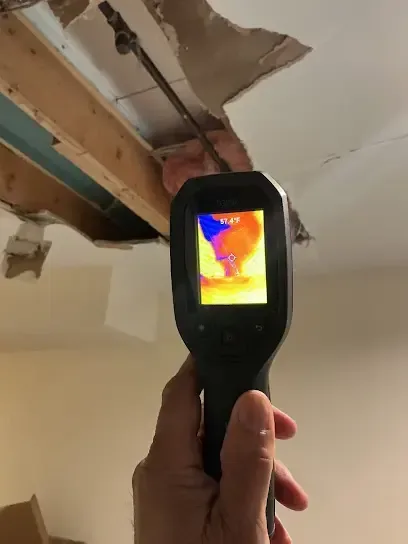
Stains and sagging drywall point to water above, from a roof, a pipe or a unit upstairs.
See the service details ›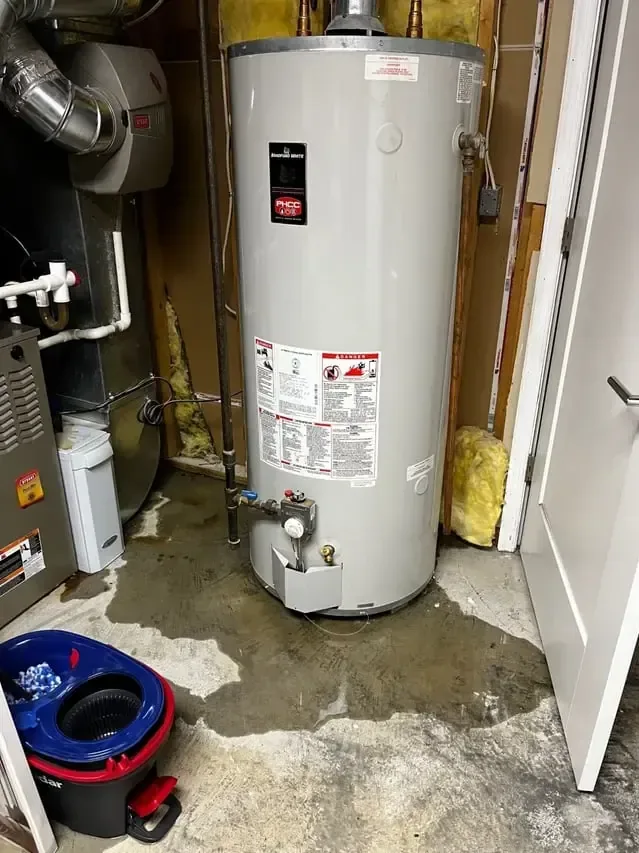
A failed tank in a garage or closet puts water on the floor, and the owner usually needs the records.
See the service details ›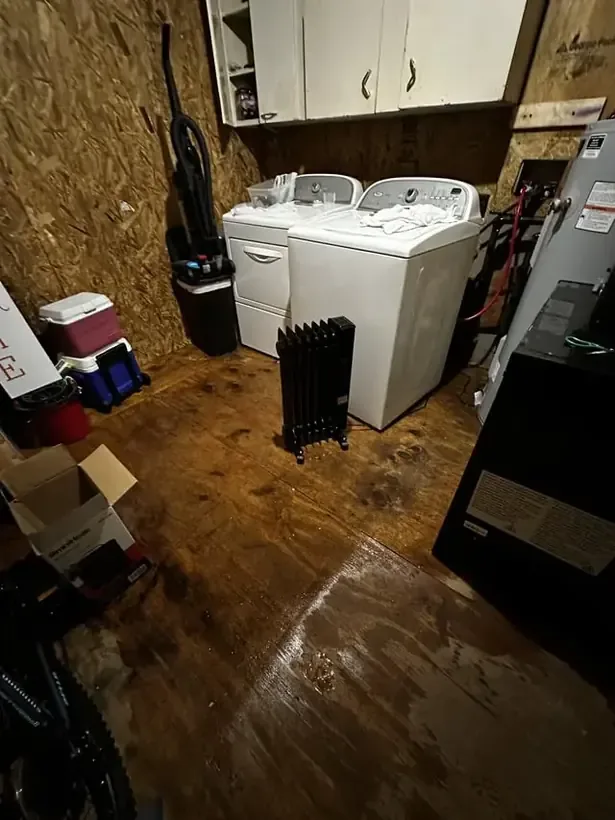
Washer, dishwasher and supply hose failures can reach a neighbor or the unit below.
See the service details ›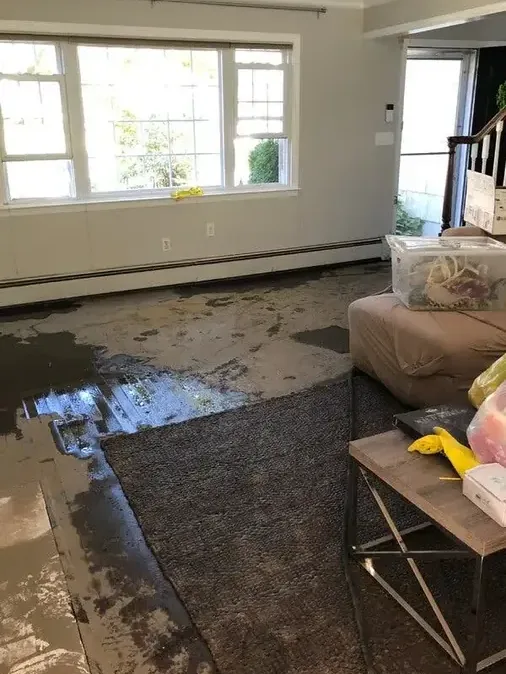
Winter systems drive rain through roofs, windows and doors, and damage clusters after strong storms.
See the service details ›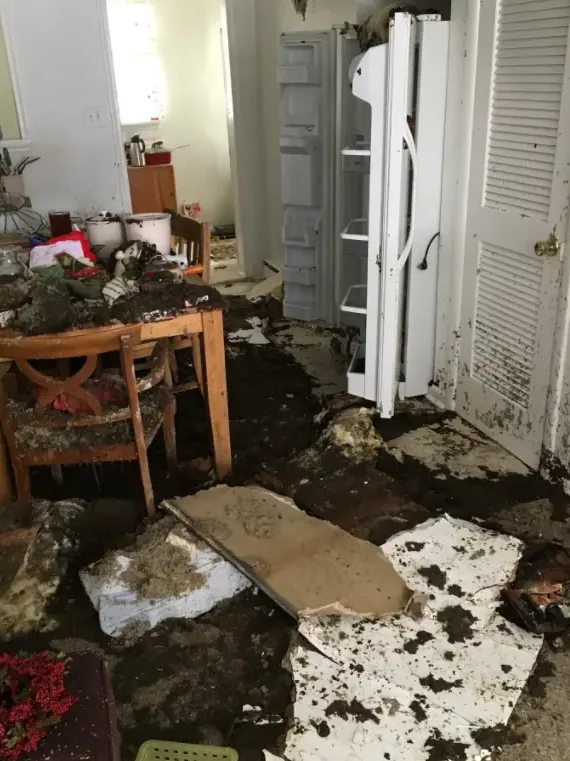
Runoff or street flooding that reaches a garage or ground floor needs fast pumping, cleaning and drying.
See the service details ›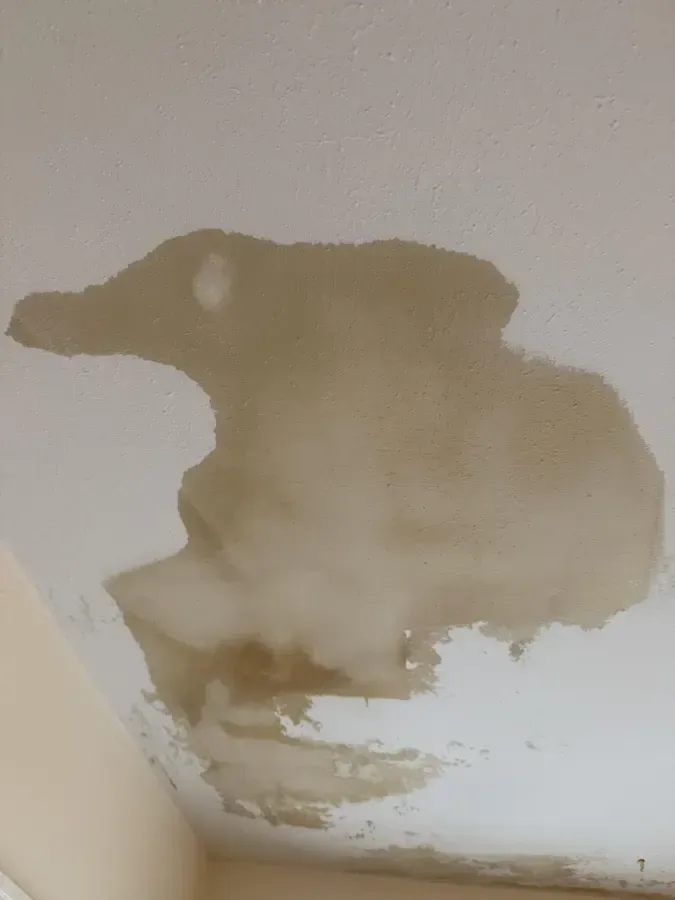
A few wet storms are enough for a worn roof to leak into attics, ceilings and walls.
See the service details ›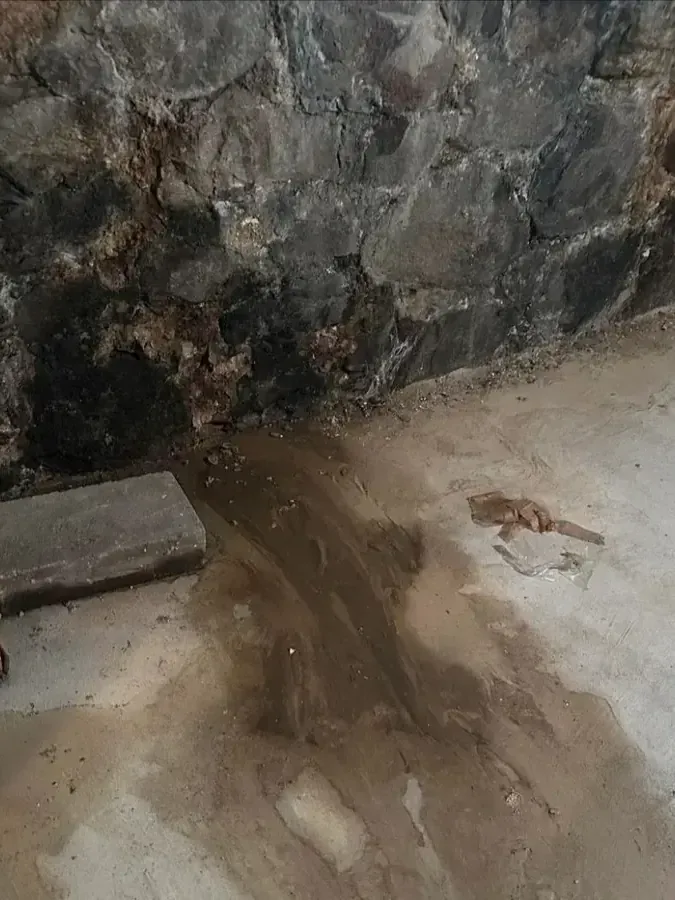
Lower level rooms, garages and stairwells that take on water need pumping and a full dry out.
See the service details ›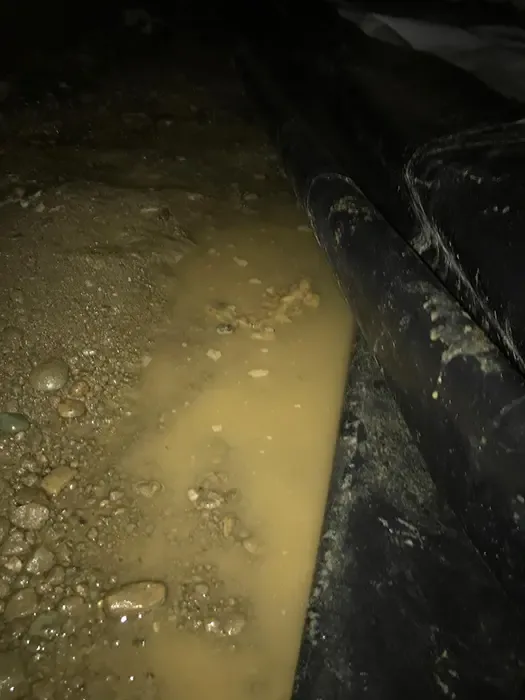
Standing water under a floor needs pumping, careful drying and checks on what stays damp.
See the service details ›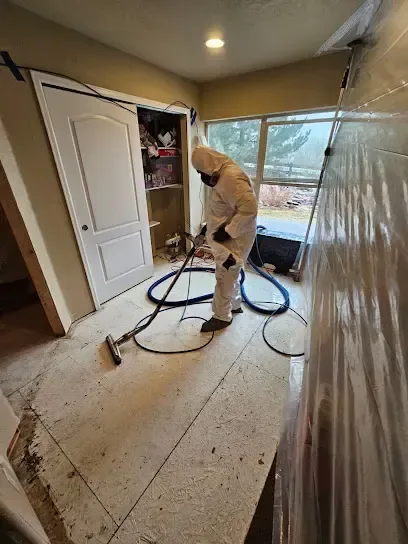
Backups bring contaminated water indoors, so extraction, removal and sanitizing come first.
See the service details ›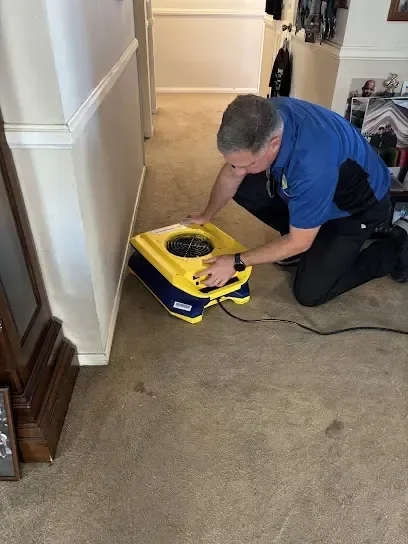
Pumps and wands pull standing water from floors before it soaks in.
See the service details ›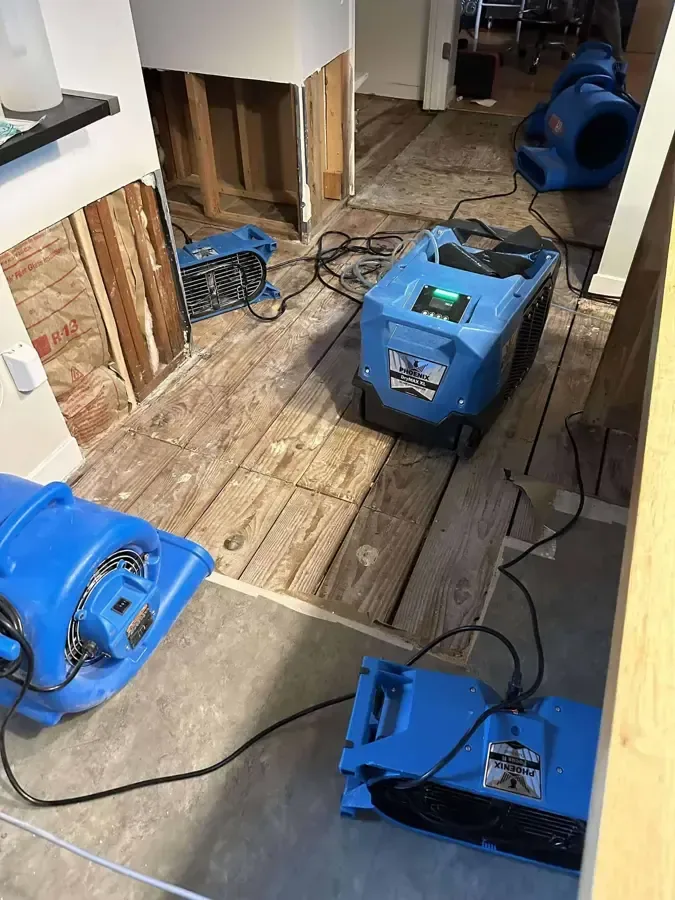
Air movers and dehumidifiers dry framing and subfloors that stay wet inside closed walls.
See the service details ›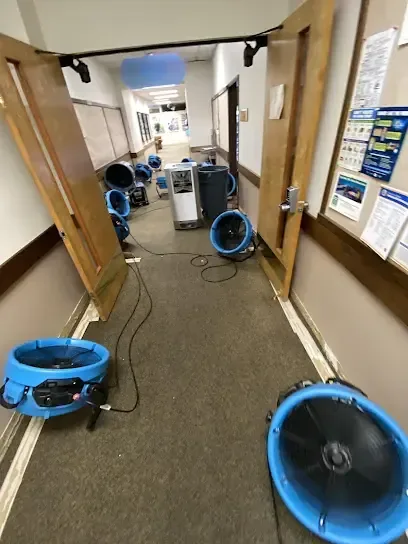
Shops, offices and warehouses get drying plans built around tenants and operating hours.
See the service details ›Shut off the water at the valve if that is safe, and keep everyone clear of wet outlets and sagging ceilings.
Describe what is wet, where it started and whether the water looks clean or dirty. That decides the equipment sent.
Take photos and short videos of the damage before anything is moved, since claims and landlords both ask for them.
Move small furniture, rugs and electronics to dry ground, and leave heavy furniture where it stands until the crew arrives.
Run fans or open windows for airflow, but leave wet drywall and flooring alone so the crew can read the moisture.
Rain falls mostly in winter and spring, and with dense housing one failure can reach several households. These are the local patterns that shape most water damage calls.
A water main broke on Hawthorne Boulevard late at night, flooding the street and sidewalk until city workers closed the road, and the local water department fixed it the next morning.

Water damage here often involves more than one household, so the work is planned around shared walls, floors and ceilings, not just the room where the leak began.
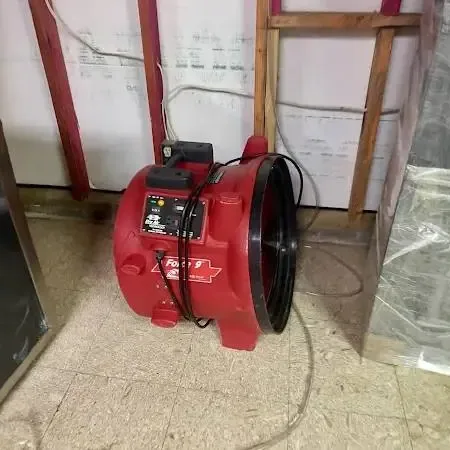
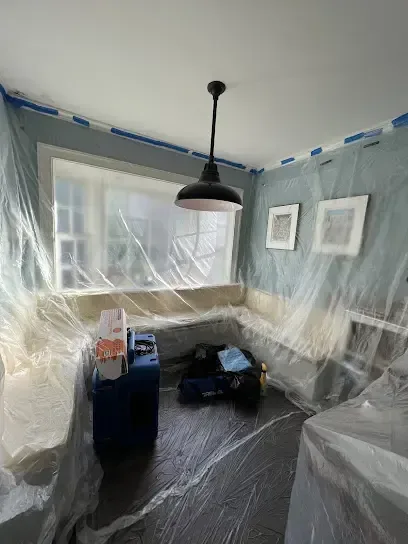
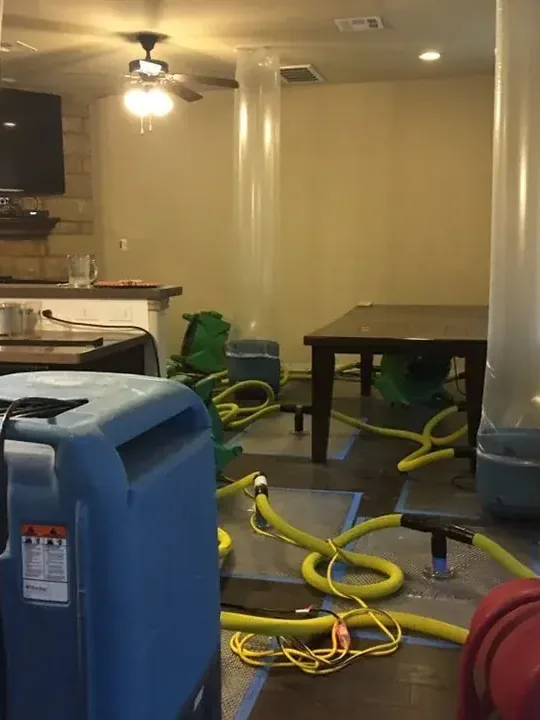
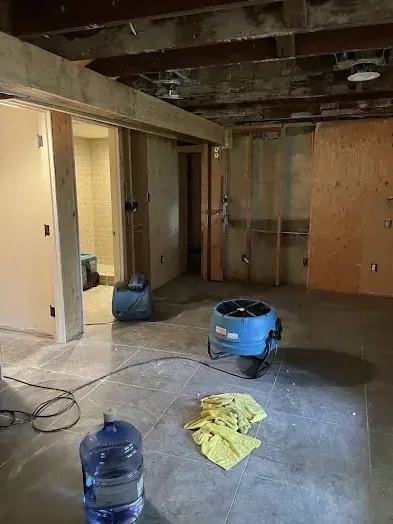
Pumps, extractors, air movers and dehumidifiers are matched to the wet area, then adjusted as readings change.
Meters check floors, wall bases and ceilings so drying stops only when the numbers say it should.
Photos, moisture readings and a written loss summary are kept for each room, ready for an insurance adjuster or a landlord.
The work stays on water losses, from clean supply leaks to contaminated backups.
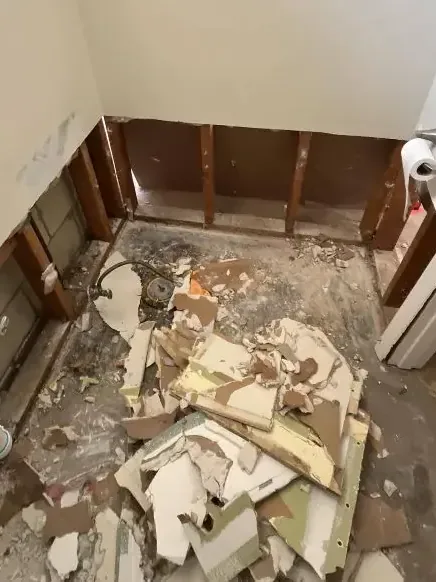
Every job runs on the same sequence: stop the source, remove standing water, open what is trapped, dry with equipment and verify with a meter before anything is rebuilt. Skipping a step is how damp walls turn into repeat problems.
The crew finds the source, classifies the water as clean, gray or black and protects furniture and contents.
Pumps and extraction wands pull standing water first, because every gallon left behind adds to the drying load.
Air movers and dehumidifiers run on wet floors, wall bases and ceilings while meters track the progress.
Readings confirm that framing, floors and drywall are dry, and the photos, logs and loss summary go to the owner or adjuster.
Burst or pinhole pipe leaks, water heaters and supply hoses release steady flows inside walls, closets and garages before anyone notices.
See pipe leak cleanup ›A leaking washer or dishwasher can send water into a neighbor's unit or the ceiling below, so drying has to cover a wider area.
See appliance leak cleanup ›Contaminated water needs protective gear, safe extraction and full sanitizing before any rebuild starts.
See sewage backup cleanup ›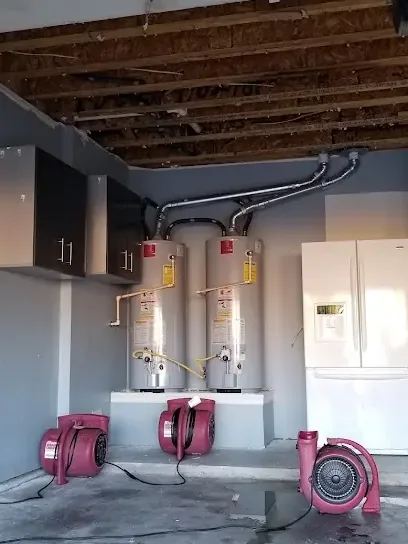
The crew works throughout the city, which is bounded by the Century Freeway on the north and the San Diego Freeway on the west, and across all of its major corridors.
Property managers with several rental buildings can report more than one address at once, which keeps drying schedules and records organized.
See where else the crew works ›
Describe the loss to a crewWhether the building is owner occupied or rented, the claim runs on evidence: when the water started, where it came from and what it touched. The crew builds that record while the work happens.
Closing the supply valve, cutting power to wet areas where safe and mopping up reachable water are reasonable first moves that limit the damage.
Past that, tearing out materials and running heavy equipment goes better with a crew, since damp drywall and flooring can start growing mold inside the 24 to 48 hour window.
Cost depends on how far the water spread, whether it is clean, gray or black water, and how much flooring and drywall must come out. Three typical tiers are listed below, and a written scope comes before work starts.
Policies often treat a sudden leak differently from slow seepage, so the date and source of the loss matter. Photos and readings taken early support the claim.
As soon as it is found. Standing water spreads into walls and flooring, and damp materials can begin to grow mold within 24 to 48 hours. An early call keeps the job smaller and limits what must be torn out.
Responsibility depends on the source and the lease, so document everything and tell the landlord in writing. The crew records the loss and what it touched, while the insurers and owners sort out who pays.
Clean supply water turns gray and then black if left standing, and sewage is contaminated from the start. A crew classifies the water first, because that sets the protective gear, the cleanup method and what is discarded.
Yes, with approval from the landlord or manager where it is needed. Water often crosses a shared wall, ceiling or floor, so contact details for the neighboring unit and the owner help the work move along.
The size of the wet area and the type of water drive the price. The tiers above show three typical ranges, and a written scope is shared before work begins so the owner knows what each step covers.
It depends on the materials and how much water got in. Meters decide, not a calendar: equipment keeps running until walls, floors and ceilings read dry, which often takes several days.
Coverage depends on the policy and on whether the loss was sudden. The crew supplies photos, readings and a loss summary for the adjuster, but the policyholder confirms coverage with the carrier.
Yes. Sewage carries bacteria, so porous materials such as carpet and drywall usually come out, and surfaces are cleaned and sanitized. Protective gear and proper disposal make that work safe.
Small furniture, rugs, electronics and valuables, as long as it is safe to enter. Heavy furniture can stay put, and wet drywall or flooring should not be pulled out before the crew has taken readings.
Shops, offices and warehouses get the same extraction and drying approach, with a plan built around operating hours and tenant access. Larger losses may involve several suites or floors.
Describe the loss, get a plan for extraction and drying, and let the crew take it from there.
(888) 578-6508Get a crew moving