Supply pipe bursts
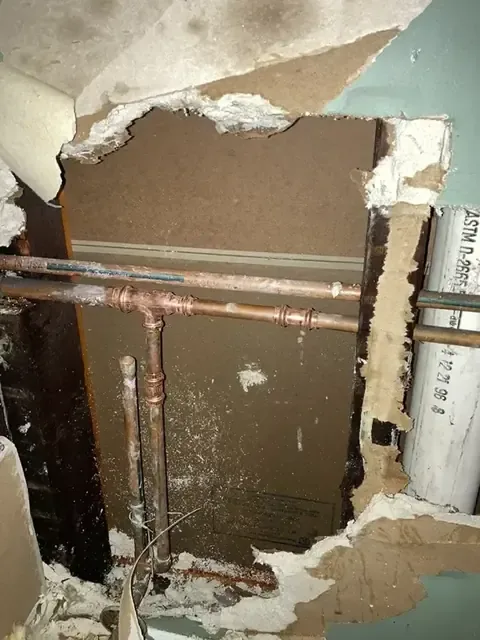
Category 1Pressurized pipes can empty a lot of water into walls and floors, so the wall cavities are opened, extracted and dried.
Burst pipe cleanup ›Water damage in El Segundo can start as a split supply pipe in a rented unit or a soaked office floor, and either one needs the water pulled out and the structure dried before it spreads.
Describe the water, the room and the time it began, and the first steps get explained before anything is moved.
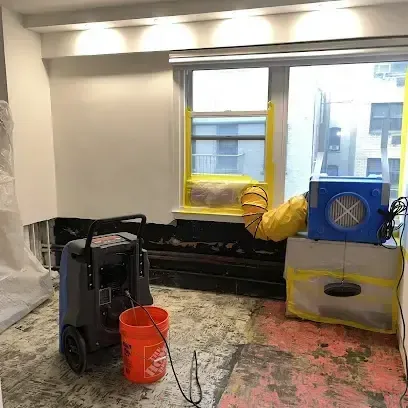
Each service page covers one kind of loss, from a failed supply pipe to a flooded garage, with its own steps, price ranges and common questions for local properties.
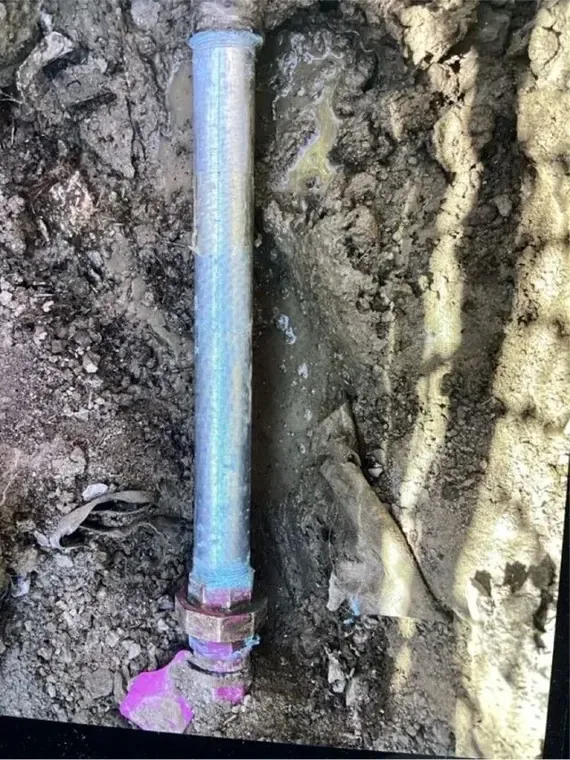
A split supply pipe can wet a wall, a floor and the room below in one afternoon.
See the service details ›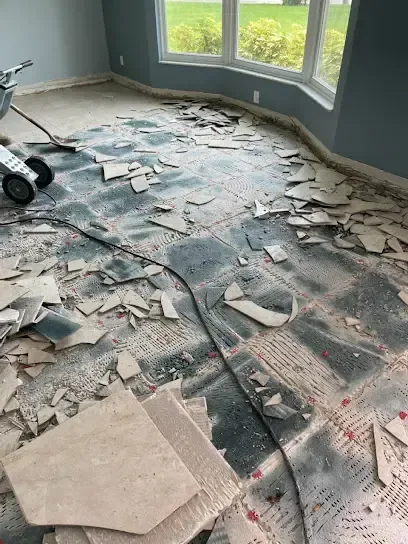
Water rising from a leak under the floor slab means lifting flooring and drying the concrete edges.
See the service details ›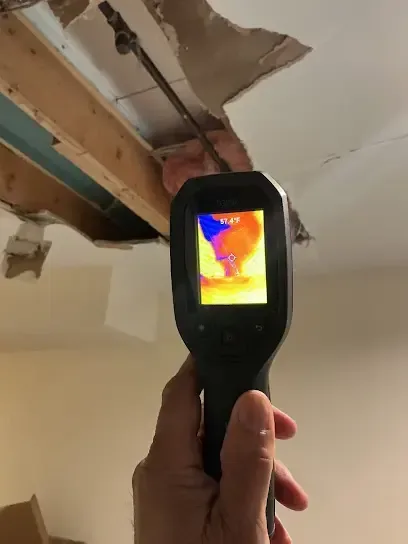
Wet drywall and insulation above a room get opened up and dried before they sag.
See the service details ›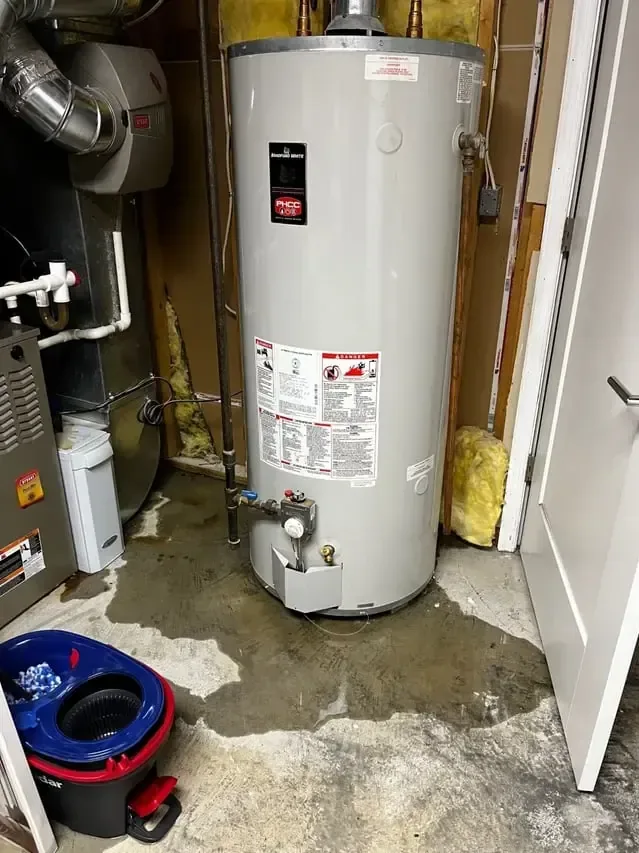
A leaking tank wets the garage or closet floor and the wall bases around it.
See the service details ›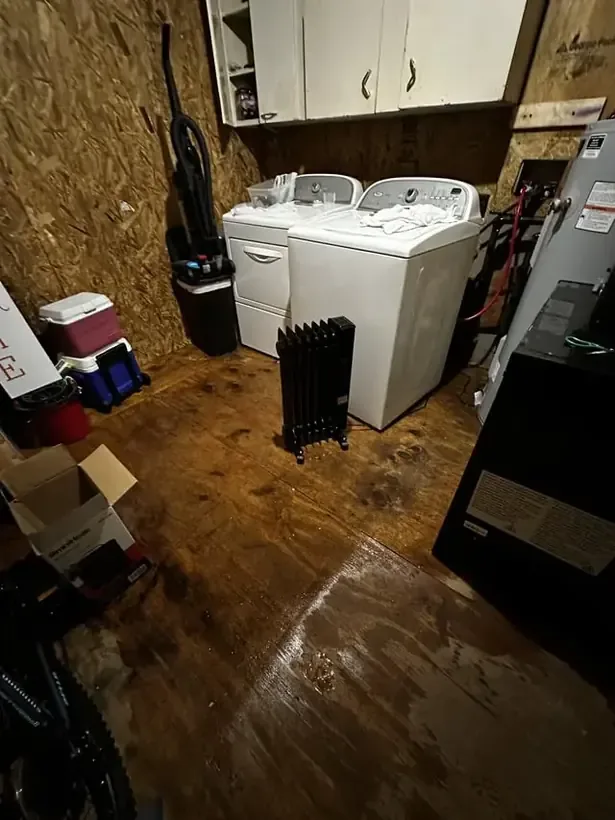
Washer, dishwasher and ice maker hose leaks are dried with the tenant and landlord both in mind.
See the service details ›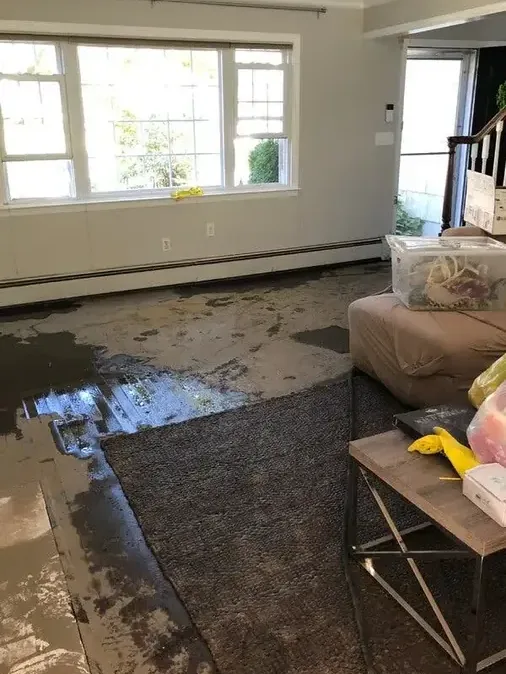
Wind-driven rain that gets inside is extracted, then walls and floors are dried.
See the service details ›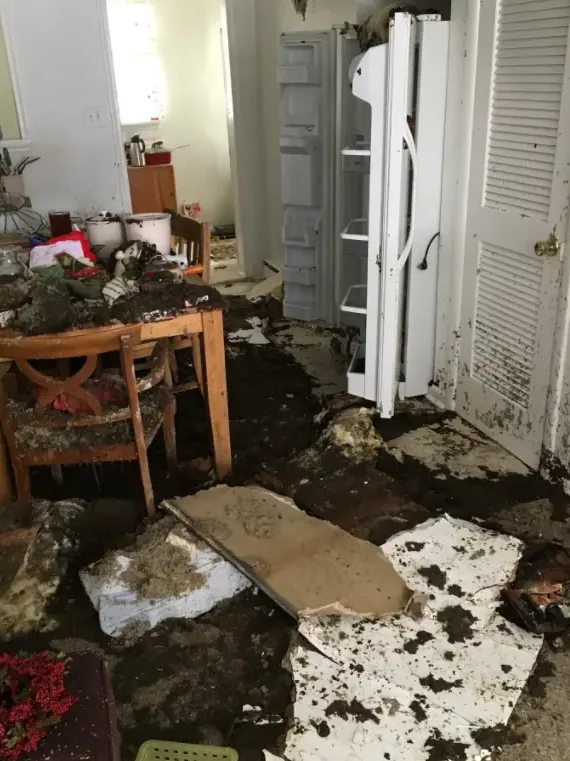
Water that enters a building from outside is pumped out, and mud and wet padding are removed.
See the service details ›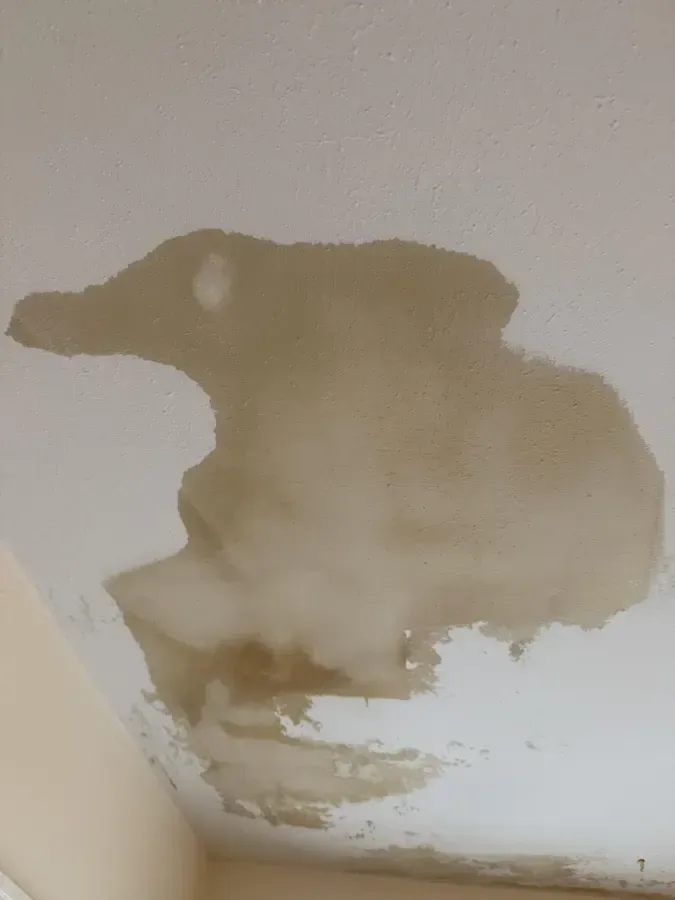
A roof leak is dried from the attic or ceiling down once the source is stopped.
See the service details ›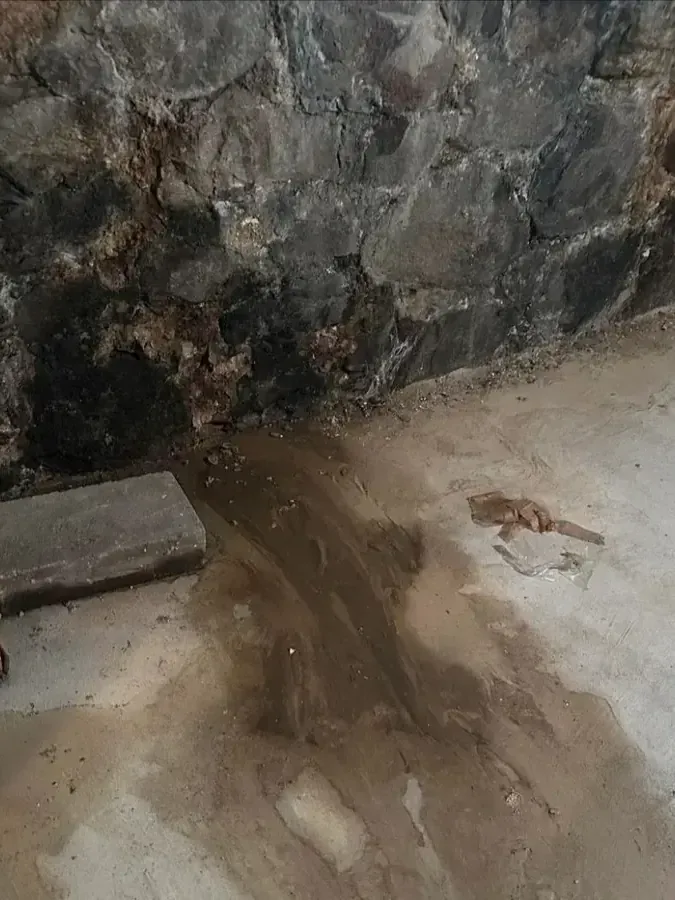
Water standing in a lower level or garage is pumped out before drying begins.
See the service details ›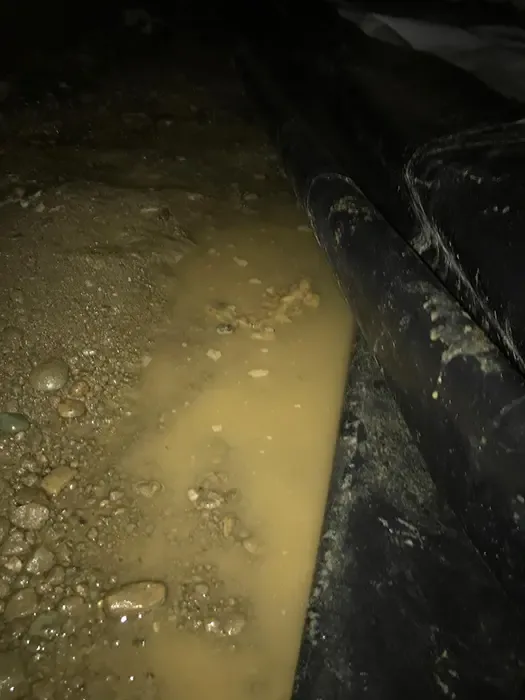
Standing water or damp insulation beneath a floor is removed and the framing dried.
See the service details ›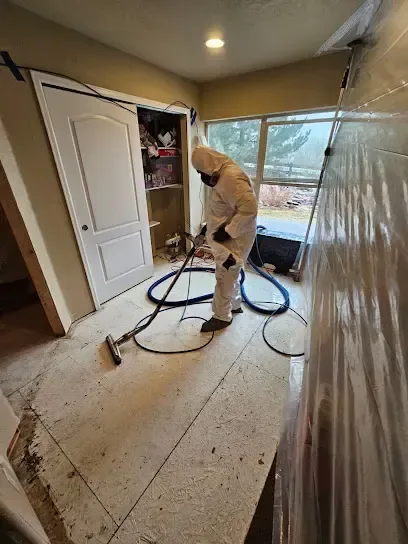
Sewage inside a home is cleaned as contaminated water, with protective gear and sanitizing.
See the service details ›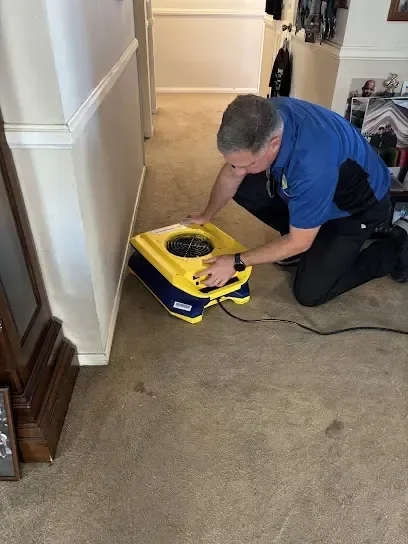
Standing water is pumped and vacuumed out before any drying starts.
See the service details ›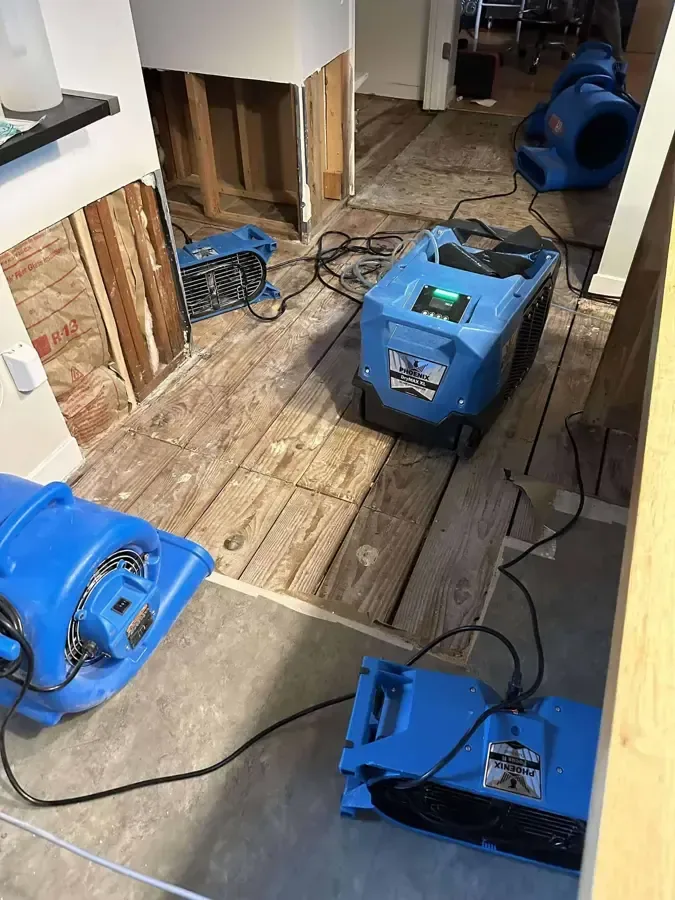
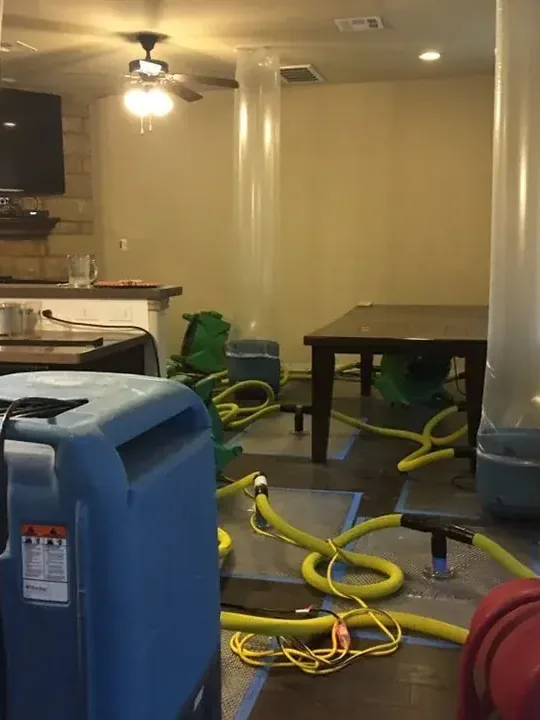
Air movers and dehumidifiers dry wet framing, subfloors and drywall to target readings.
See the service details ›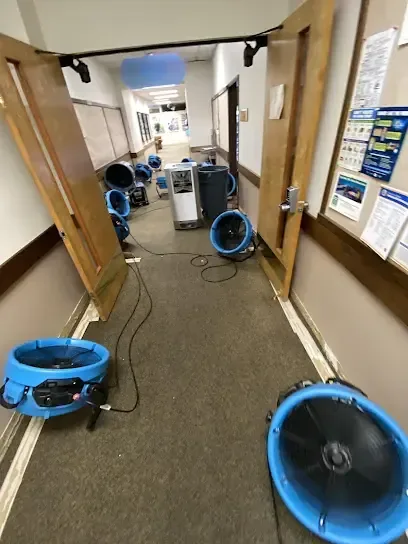
Shops, suites and offices get a dry-out plan that limits downtime for the business.
See the service details ›Say where the water started, which rooms are wet and whether it looks clean, gray or like sewage.
Close the supply valve or switch off the appliance if that is safe, and keep power off near wet outlets.
Take pictures of the source and every wet surface before anything is moved, for the claim or the landlord.
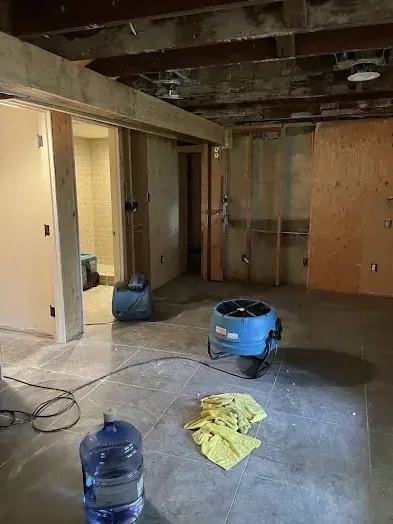
The crew pumps out standing water, pulls soaked padding and opens wet walls where needed.
Air movers and dehumidifiers run while moisture readings are logged until framing and floors reach target.
El Segundo sits on Santa Monica Bay next to a large sewage treatment plant, with homes west of the highway and industrial and office buildings to the east.
The Hyperion plant sent 17 million gallons of untreated sewage through ocean outlet pipes, and Los Angeles County Public Health closed nearby swim areas. It was an ocean release, not a backup into homes.

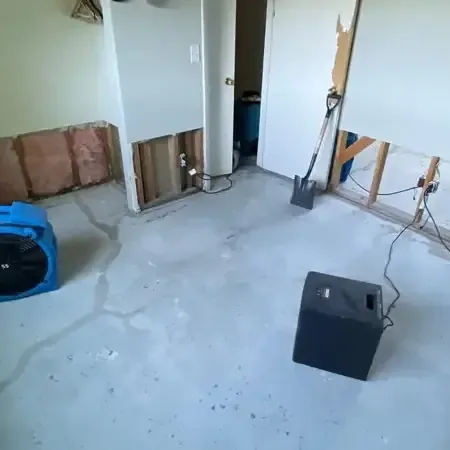
The work follows a set order, extraction first, then controlled drying, with written moisture readings that tenants, landlords and adjusters can all read.
Standing water and soaked padding are removed first, because dehumidifiers cannot keep up with puddles.
Each visit adds readings to a log, so a tenant, a landlord and an adjuster see the same numbers.
A loss in a rented unit or a commercial suite needs records that more than one party can follow.
Contaminated water gets protective gear, removal of porous material and sanitizing, never a plain dry-out.
Every job here follows the same sequence, whether the loss is a closet floor or a whole suite, and the readings, not the calendar, decide when equipment leaves and the area is released.
The crew checks the source, the water category and how far it traveled using meters and a thermal camera.
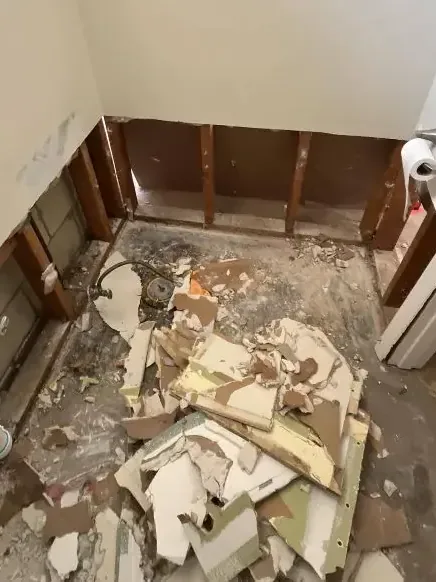
Standing water is pumped out, soaked padding comes up and wet drywall is cut back where it holds water.
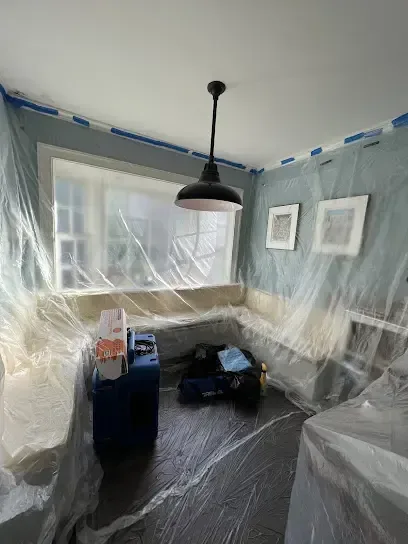
Air movers and dehumidifiers are placed to move moisture out of framing, subfloors and wall bases.
Final readings are compared with dry reference points, and equipment comes out only after they match.
Pressurized pipes can empty a lot of water into walls and floors, so the wall cavities are opened, extracted and dried.
Burst pipe cleanup ›A worn washer hose or ice maker supply can leak for days behind a unit, which matters in rentals where records are shared.
Appliance leak cleanup ›Contaminated water in a building is a different job from an ocean release, with its own gear and sanitizing steps.
Sewage cleanup ›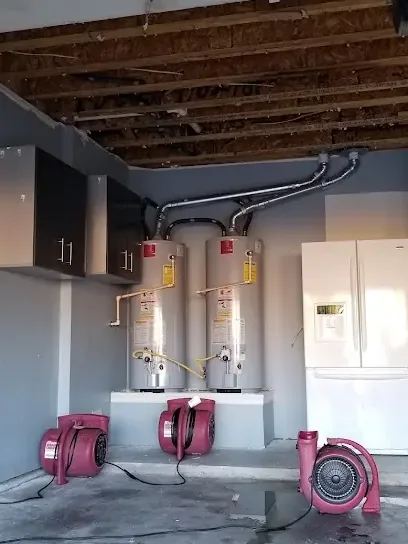
The residential area west of Pacific Coast Highway, Smoky Hollow and the eastern industrial and office district all fall inside the service area.
Rented units, single-family homes, studios and warehouses get the same extraction and drying process, and only the equipment count changes.
See every water damage service ›
Call about a wet unit or officeInsurers and landlords both ask what was wet, when it started and what was done, so dated photos, moisture readings and receipts are worth gathering from the very first visit onward.
Shutting off the water supply, moving valuables off wet floors and photographing the damage all help, and none of it needs tools.
Tenants should tell the landlord or property manager right away and keep copies of every message about the leak, along with the date and time of each conversation.
Clean water in a single room usually runs $1,200 to $3,000, several rooms or hardwood floors run $3,000 to $6,000, and a whole floor or gray water runs $6,000 to $9,000+.
Final pricing follows the moisture readings and the materials involved, not a flat guess made over the phone, and the written scope can go to an adjuster whenever a claim is open.
As early as possible, because wet drywall, padding and framing absorb moisture quickly, and mold can begin to grow when materials stay damp for 24 to 48 hours.
A single room with clean water usually runs $1,200 to $3,000, several rooms or hardwood $3,000 to $6,000, and a whole floor or gray water $6,000 to $9,000+, set by moisture readings rather than guesswork.
The landlord or property manager should hear about it right away, in writing, since the building owner arranges repairs, and the tenant's photos support everyone's records. Written notice also creates a dated trail.
No. The plant discharged 17 million gallons through ocean outlet pipes and beach swim areas were closed. It was not a flood or a backup into homes, and sewage backup cleanup inside a building is a separate emergency.
Sometimes. Equipment can often be staged in one suite while the rest operates, but that depends on the readings, the materials involved and the water category. See commercial water damage.
Not always. Tile and sealed surfaces often dry in place, while soaked padding is removed and wood flooring is checked with meters before anyone decides to pull it.
Most dry-outs run for several days with readings at each visit, and dense materials such as plaster or hardwood take longer than thin drywall. Details sit on the structural drying page.
The source of the water, every wet surface, damaged belongings and any visible staining. Wide shots of each room plus close-ups of the worst spots work best, and dated photos help with both a claim and a landlord conversation.
Yes. Wet insulation and drywall stay heavy and damp after the drip ends and can sag or stain further, so ceiling leak water damage is opened and dried.
The wet area is dried the same way. Photos, dates and readings help sort out responsibility, and the landlord or building manager usually coordinates with the other unit.
Call now, any hour, and describe what is wet so extraction and drying can be planned around it.
(888) 578-6508Call and start the dry-out