Supply pipe failures
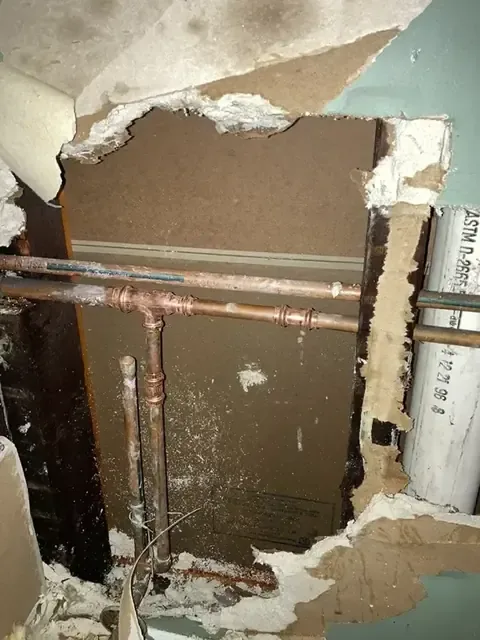
Category 1A split supply pipe sends water through a wall cavity and into the floor, long before a stain shows on the other side.
Burst pipe cleanup details ›Water in a Sand Section walk street home, a Strand oceanfront house or a Rosecrans office is extracted first, then the walls, floors and subfloors are dried until the readings show the structure is dry.
Describe what failed, which rooms are wet and whether the water looks clean or dirty, and the first steps follow.
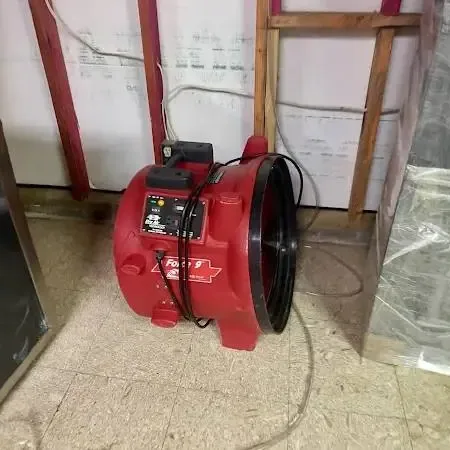
Choose the service that matches the source, or call and describe the loss. Each one starts with the water coming out and ends with dry framing, floors and walls.
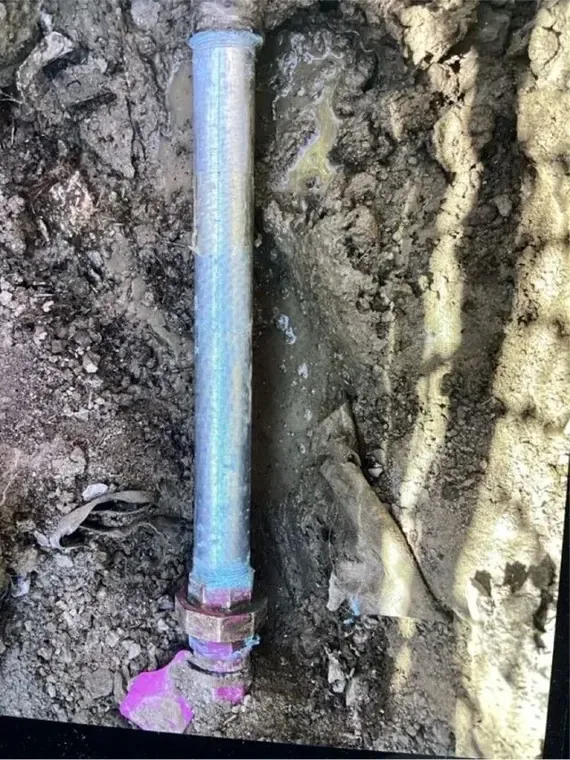
A split supply pipe floods walls and floors fast, so the water is pulled out and the cavities are dried.
See the service details ›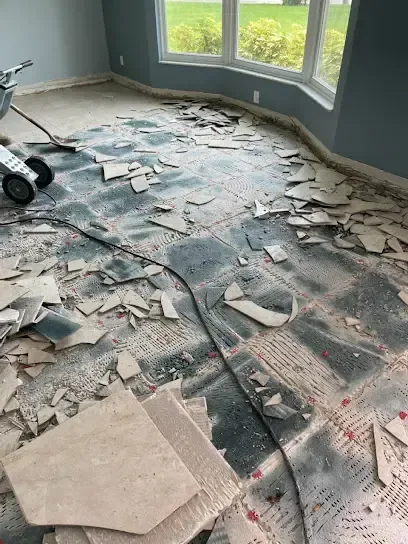
Flooring comes up after a plumber traces the leak, then the slab and wall bases are dried.
See the service details ›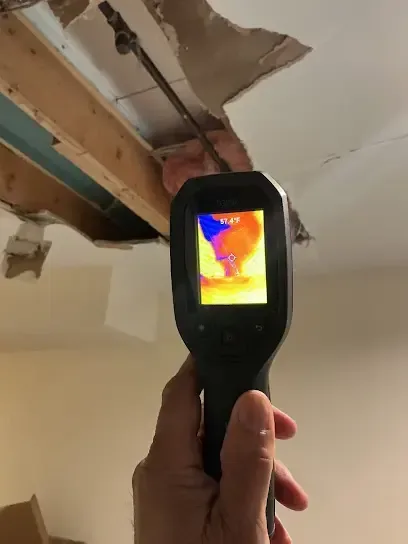
Wet insulation and drywall above the room are opened up, dried and checked before anything is closed.
See the service details ›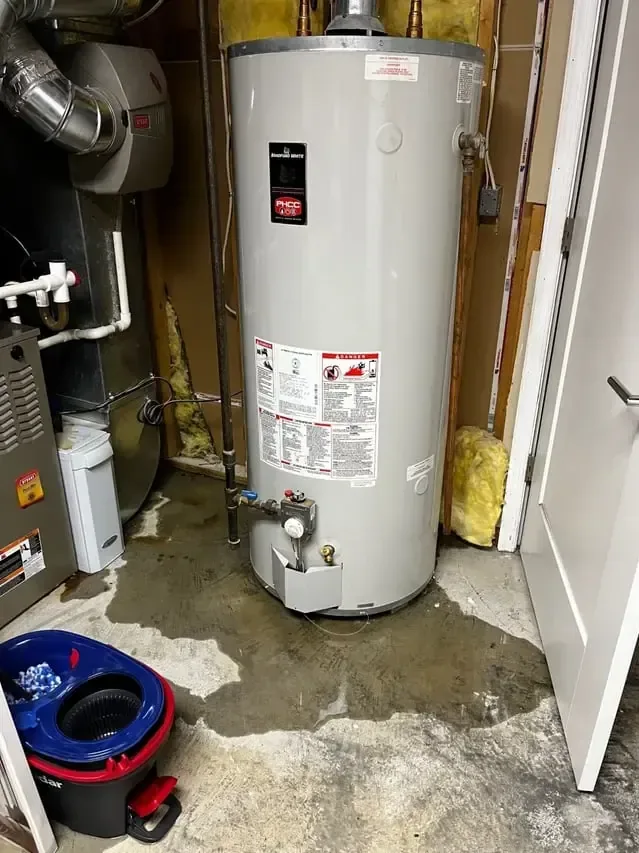
A leaking tank soaks the floor and wall bases around it, which are then extracted and dried.
See the service details ›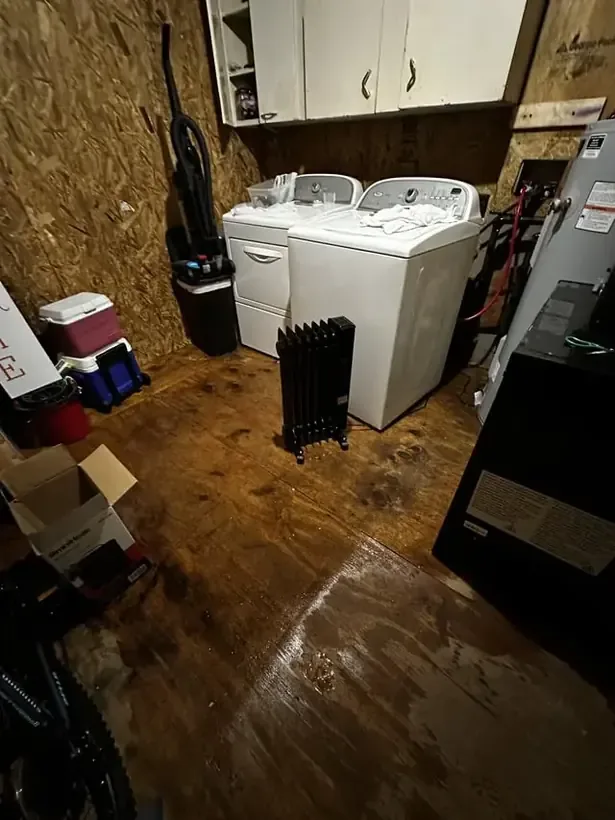
Washer, dishwasher and ice maker leaks, with the drying documented for tenant and landlord alike.
See the service details ›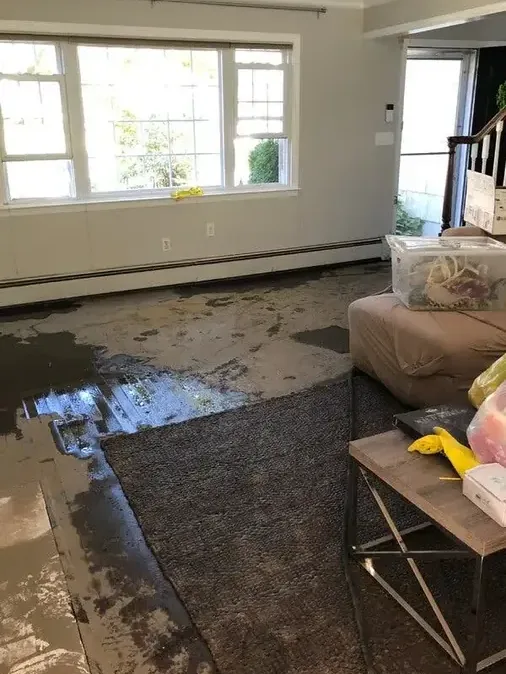
Rain that gets inside during a storm is extracted, and the structure is dried afterward.
See the service details ›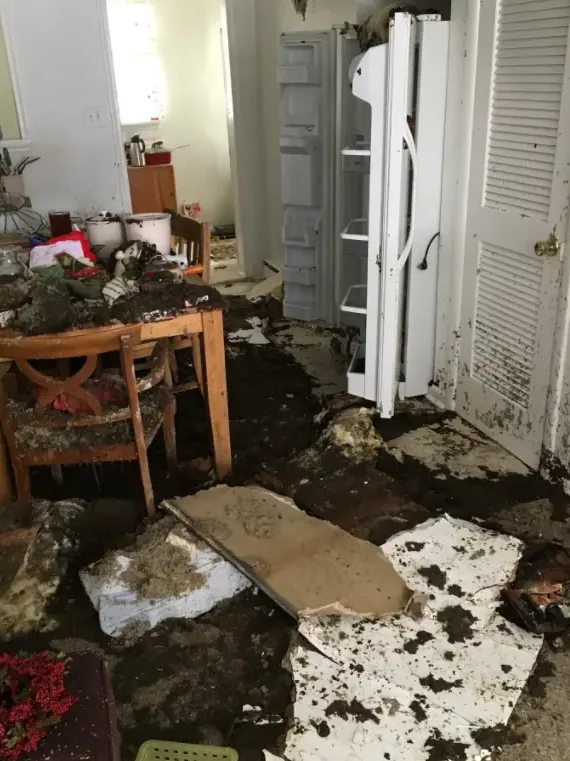
Water that enters a building is pumped out first, then floors and walls are dried to normal readings.
See the service details ›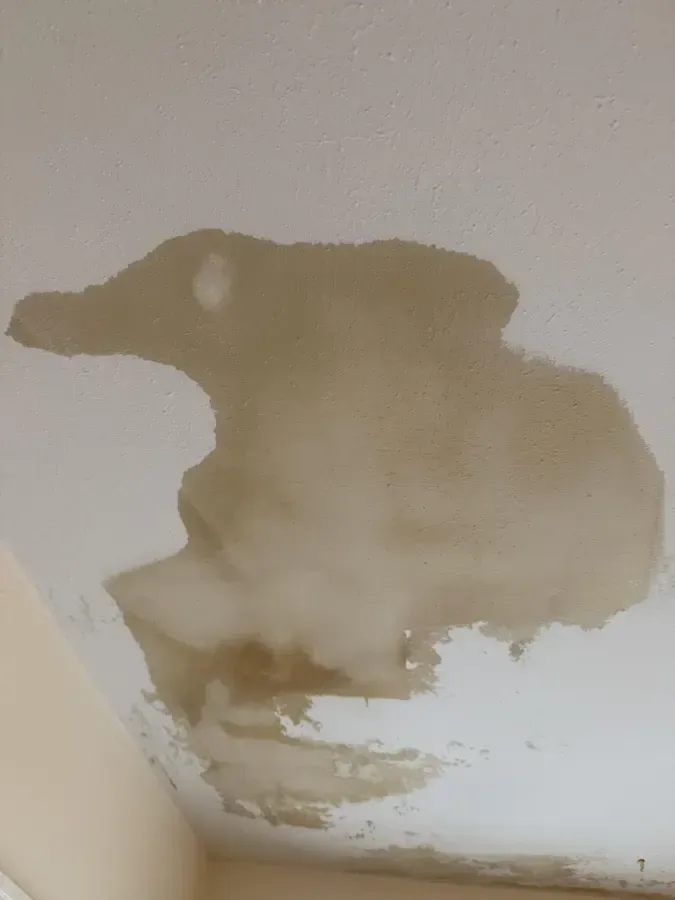
Winter and early spring rain finds weak spots overhead, so the wet roof deck and ceiling are dried.
See the service details ›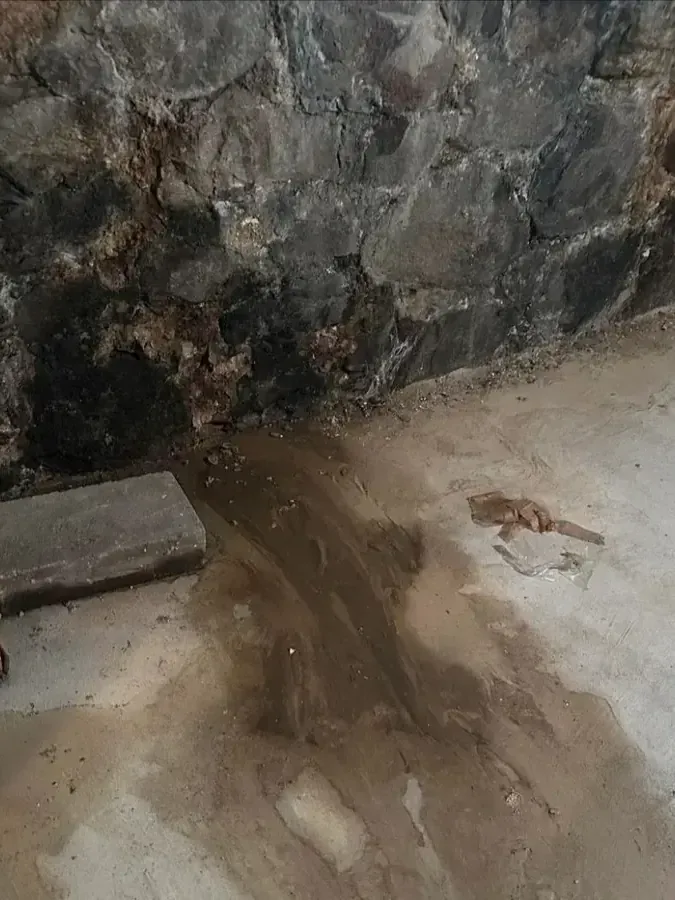
Water standing in a garage or lower level is pumped out first, and the structure follows.
See the service details ›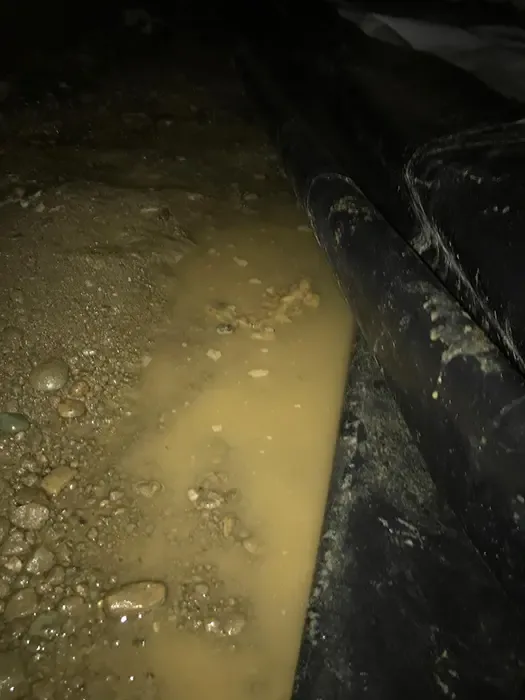
Standing water and damp insulation under a floor are removed, and the framing is dried.
See the service details ›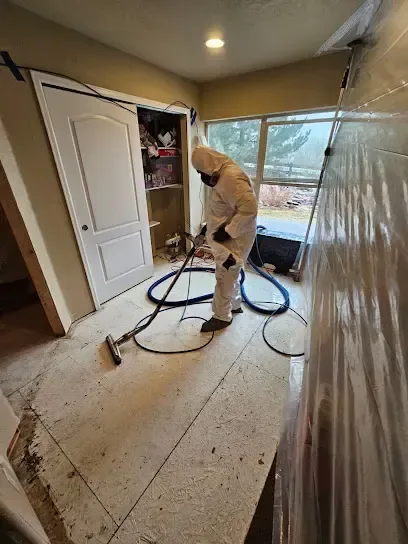
Sewage inside a home is treated as contaminated water, cleaned out carefully and then dried.
See the service details ›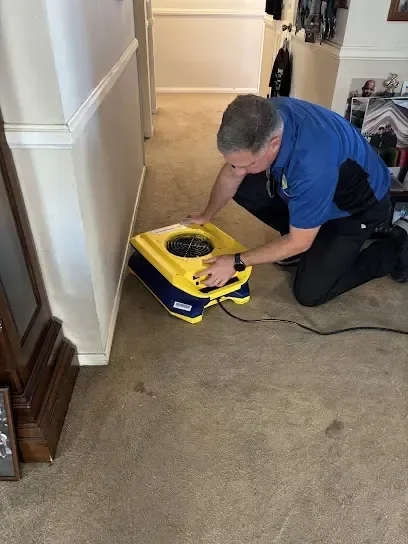
Standing water is pulled out first, whatever the source of it turns out to be.
See the service details ›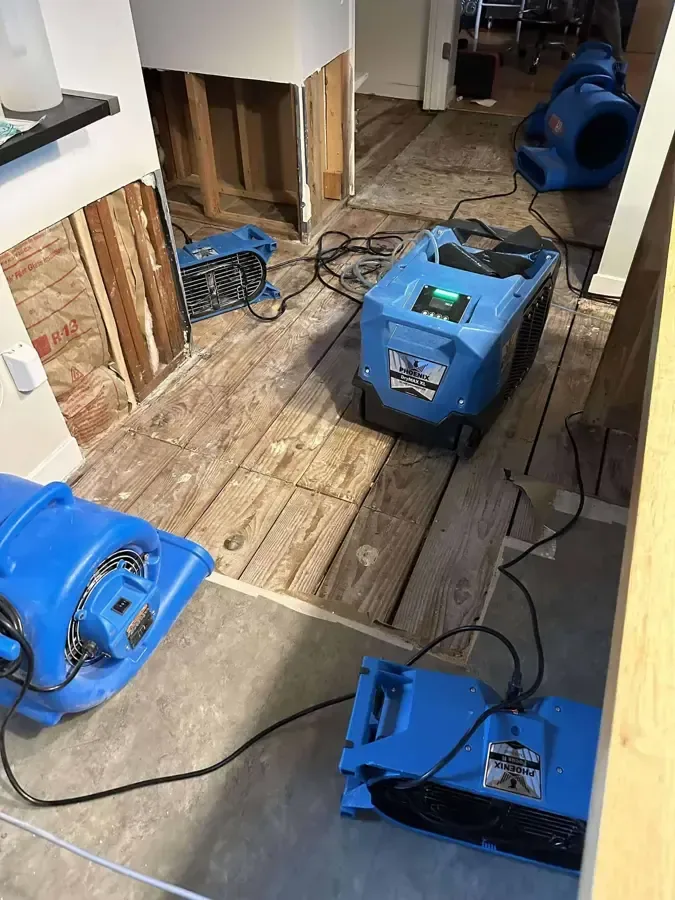
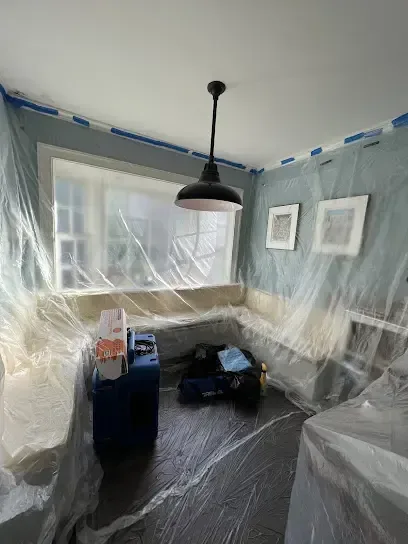
Air movers and dehumidifiers dry framing, subfloor and drywall once the water is out.
See the service details ›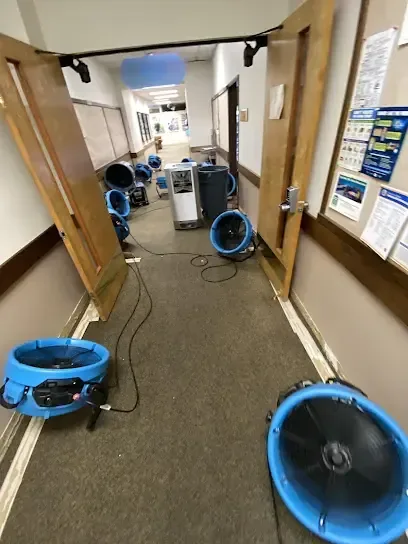
Shops, restaurants, offices and mall space get the same extraction and drying steps, planned around neighbors.
See the service details ›Shut the main or the appliance valve if it can be reached safely, and keep clear of the electrical panel when the floor is wet.
Keep children and pets out, avoid wet outlets and cords, and switch off a soaked area only from a dry spot.
Take wide and close photos of the water, the damaged items and the source before anything gets moved.
Raise rugs, boxes, electronics and furniture legs off wet floors, and wipe standing water from wood within reach.
Say where the water came from, how many rooms are wet and whether it looks clean or dirty, then follow the instructions given.
Rain is scarce here, averaging 12.92 inches a year, so the water behind most claims comes from a failed pipe, a leaking appliance or a winter roof leak.
Hail fell during a storm that also closed Los Angeles County beaches for a few hours over lightning danger, proof that unusual weather does reach this stretch of coast.

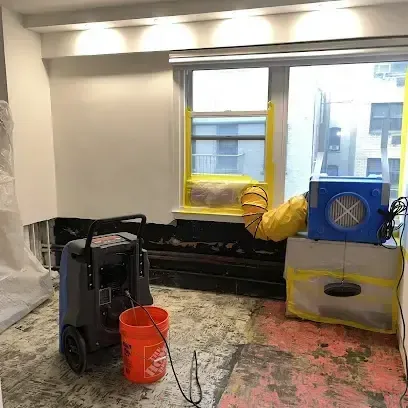
A water loss near the coast is rarely limited to one room. The crew keeps the work simple: stop it, pull it out, dry it, and write down the readings.
Extraction happens before any equipment is set, since wet floors cannot dry while water still stands on them.
Moisture meters track every wall and floor, so equipment stays until the numbers fall into a dry range.
Photos, source notes and daily readings are saved, which helps owners, tenants, landlords and adjusters follow the work.
The same steps scale from a Sand Section home to downtown shops, offices along Rosecrans and retail space.
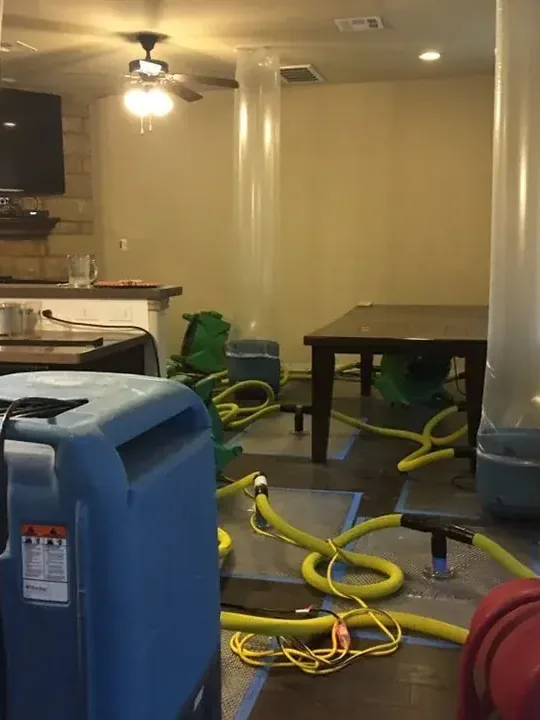
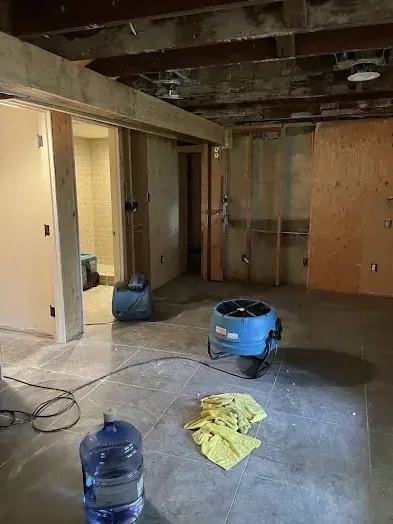
Every job follows one order: find and stop the source, remove standing water, open the materials that stay wet, and dry them with air movers and dehumidifiers while readings are logged.
A plumber or the owner shuts it off, and the crew maps which rooms, walls and floors took water.
Pumps and extraction wands clear standing water from floors, carpet and low spots before drying starts.
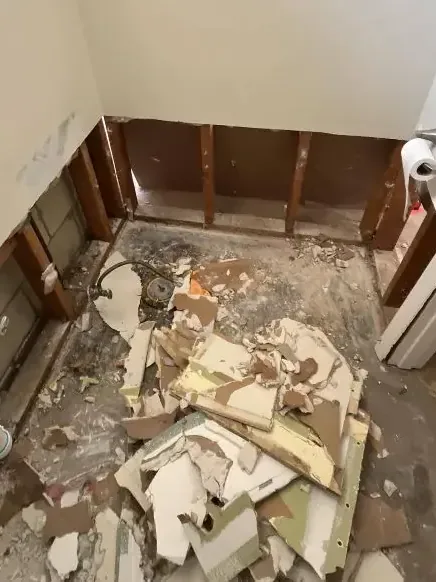
Baseboards, drywall bottoms or flooring come off where needed, then air movers and dehumidifiers run until the readings settle.
Final readings and photos are kept so an adjuster, landlord or owner can see what was done.
A split supply pipe sends water through a wall cavity and into the floor, long before a stain shows on the other side.
Burst pipe cleanup details ›The 2020 census counted 32.7 percent of occupied homes as rentals, so tenants and landlords often both need drying notes.
Appliance leak cleanup ›Sewage that reaches the inside of a home is contaminated water, so it is removed and cleaned before drying begins.
Sewage cleanup ›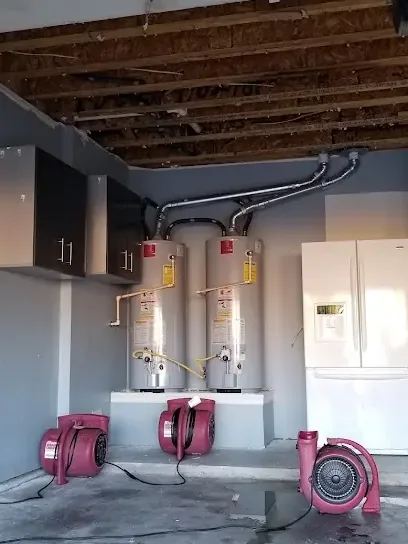
Owners in the Hill Section, Tree Section or Manhattan Heights can start with a plain description of the loss, and the first steps get sorted out from there.
Shops downtown, offices along Rosecrans and tenants of rental units follow the same path, with the manager or owner kept in the loop.
See every water damage service ›
Describe the water nowSudden water from a failed pipe, appliance or heater is often what a policy covers, while slow seepage may not be. Good notes and photos make either conversation with an adjuster easier.
A small clean spill on a hard floor can be mopped and fanned, but wet carpet pad, drywall and insulation hold moisture long after the surface looks dry.
Anything that came from a drain, a toilet or sewage should be left to trained crews, since gloves and a mop do not make that water safe.
Clean water in one room usually runs $1,200 to $3,000. Hardwood or several rooms push it to $3,000 to $6,000, and gray water or a whole floor reaches $6,000 to $9,000+.
These are ranges, not quotes. The final number follows the moisture readings, the materials involved and how long the water sat, and policy terms decide what an insurer pays.
Stop the source if it can be reached safely, keep people away from wet outlets, photograph the damage, and call to describe the loss. Extraction comes before any drying equipment goes in.
Clean water in one room usually runs $1,200 to $3,000, several rooms or hardwood $3,000 to $6,000, and gray water or a whole floor $6,000 to $9,000+, with moisture readings deciding the final price.
It depends on the materials and how wet they got. Air movers and dehumidifiers usually run for several days, and the equipment stays until moisture readings in each wall and floor settle.
Sudden events such as a burst pipe or a failed appliance hose are often covered, while long term seepage usually is not. Policy wording decides, so photos and daily readings help the claim.
A tenant should tell the landlord or manager right away, and the drying gets documented for both sides. With 32.7 percent of occupied homes rented, this situation comes up often.
Yes. Sewage is contaminated, so it is removed with protective gear, soaked porous materials are often cut out, and the area is cleaned before drying starts. A mop and a fan are not enough.
Often, if the water was clean and drying starts early. Drywall that stayed soaked, wet carpet pad and anything touched by sewage usually come out, since trapped moisture can lead to mold in 24 to 48 hours.
Yes. Restaurants, boutiques, offices and shopping centers are handled with the same extraction and drying steps, planned around shared walls, ceilings and the neighbors below.
Rain is limited, but winter storms still find weak roofs and openings. Hail even fell on January 29, 2021, and storm water that gets inside is extracted and dried like any other loss.
Where the water came from, which rooms are wet, how long it has been there and whether it looks clean or dirty. A short description lets the first steps be planned before anyone arrives.
Describe the loss and the crew sets the order: stop it, extract it, then dry it.
(888) 578-6508Describe it and get started