Clean water from supply pipes
Category 1Category 1 comes from a split supply pipe, a leaking water heater tank or an ice maker hose. Found early, most of what it wets can be dried.
Burst and pinhole pipe leaks ›From Bel-Air to Mid-City, crews pull out standing water, follow it into walls and under floors with meters and thermal imaging, and dry Westside Los Angeles homes and buildings to the IICRC S500 standard.
Any leak still running gets urgent handling, day or night. Turn the main off when that is safe, then call.
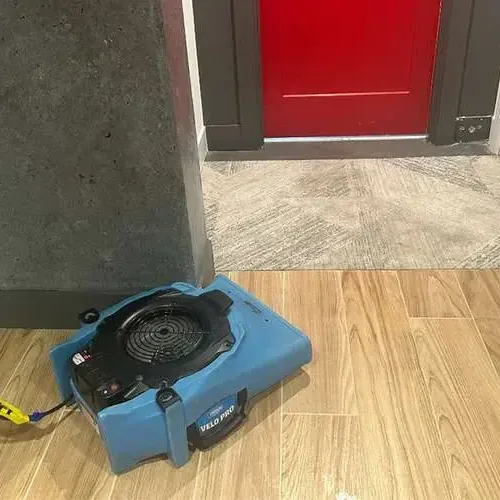
Only water and sewage work, arranged by the source: leaks inside walls and ceilings, storm rain and main breaks outside, lower levels, and losses that cover a whole floor.
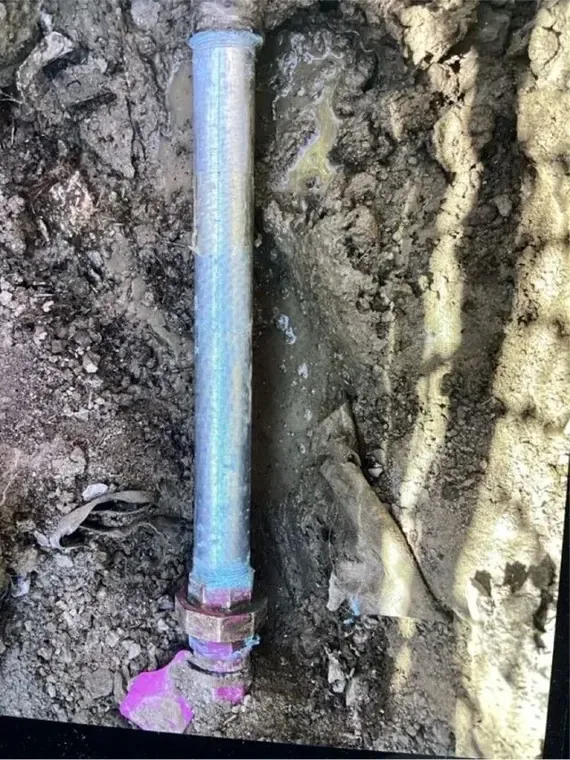
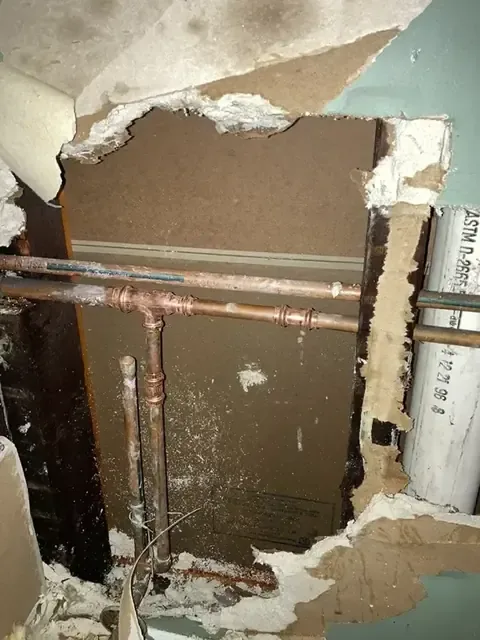
A split or pinholed supply pipe in a wall, found with thermal imaging and dried through small openings.
See the service details ›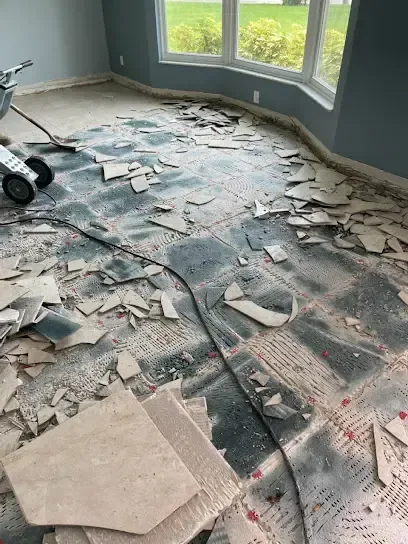
Leaks under concrete floors, flooring lifted only where readings show water and the slab dried.
See the service details ›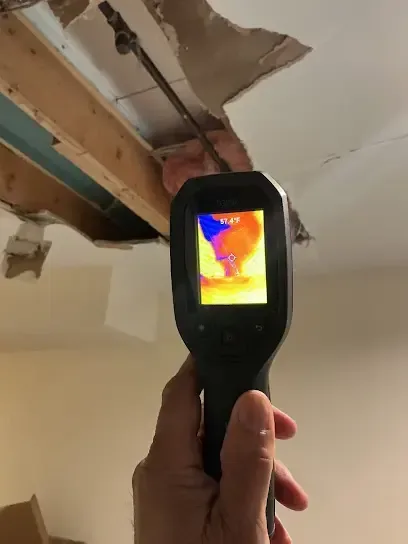
Drips from an upstairs apartment or bath located, the ceiling drained safely and each joist bay dried.
See the service details ›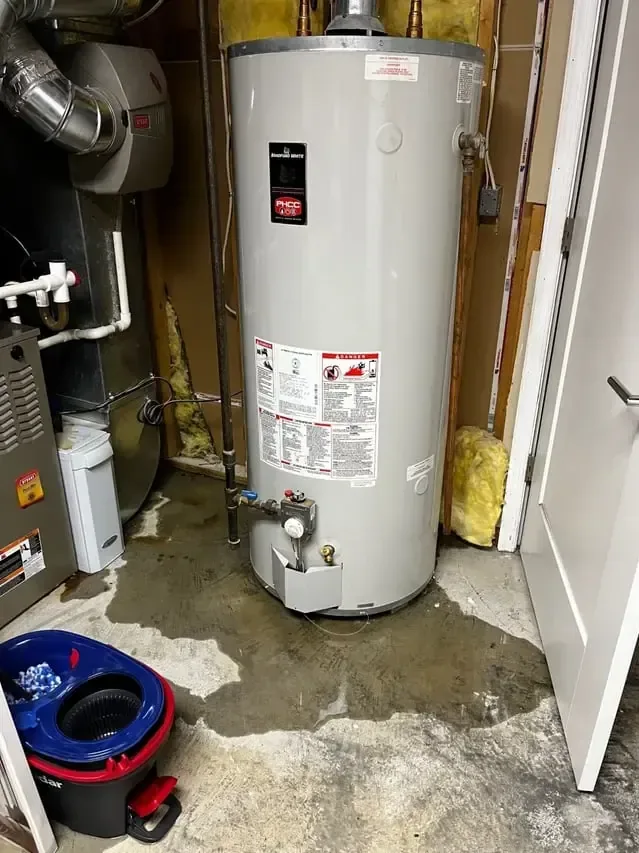
Tank and fitting failures in garages and closets, extracted before drywall and cabinets soak through.
See the service details ›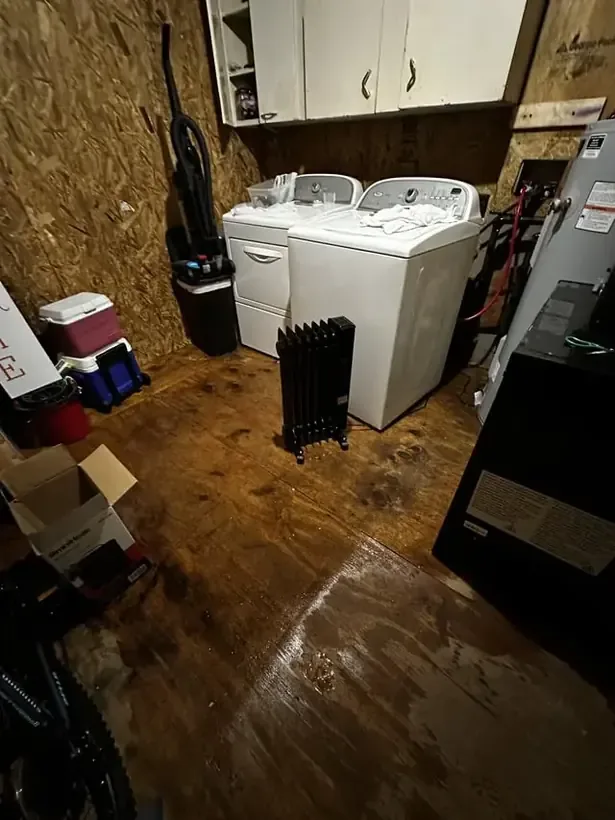
Leaks from ice makers, dishwashers and washer hoses traced under cabinets and finished floors.
See the service details ›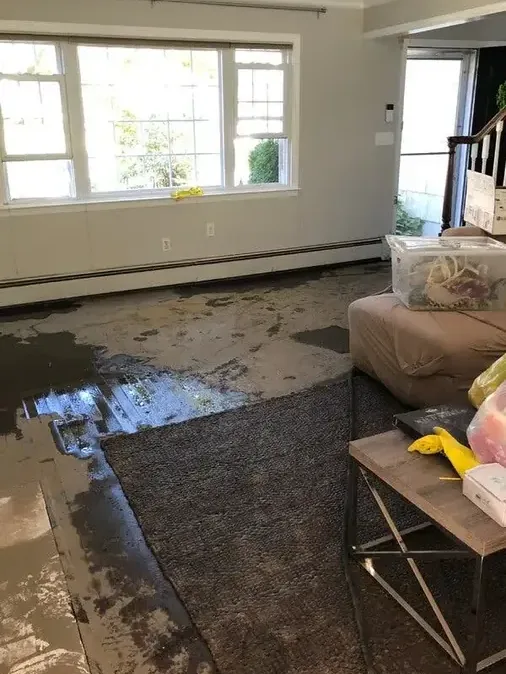
Rain pushed in at doors, windows and skylights during winter storms, extracted and dried to readings.
See the service details ›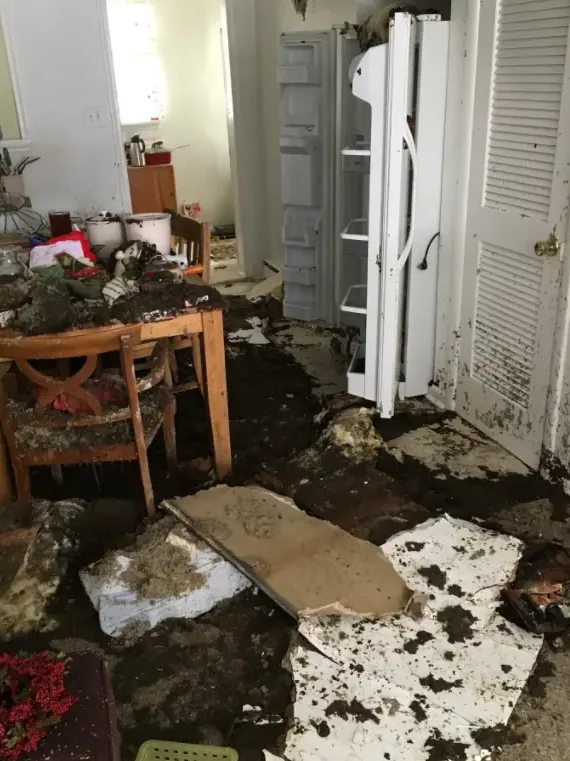
Water from a broken main or storm runoff that gets into garages and ground floors, treated as Category 3.
See the service details ›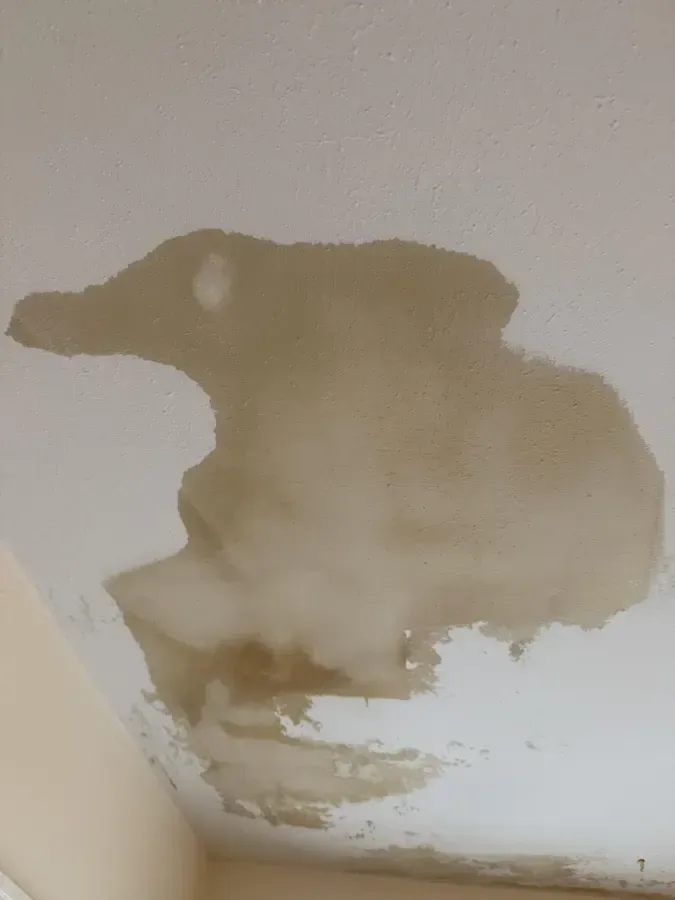
Roof leaks in heavy winter rain, wet attic insulation removed and the ceilings below dried.
See the service details ›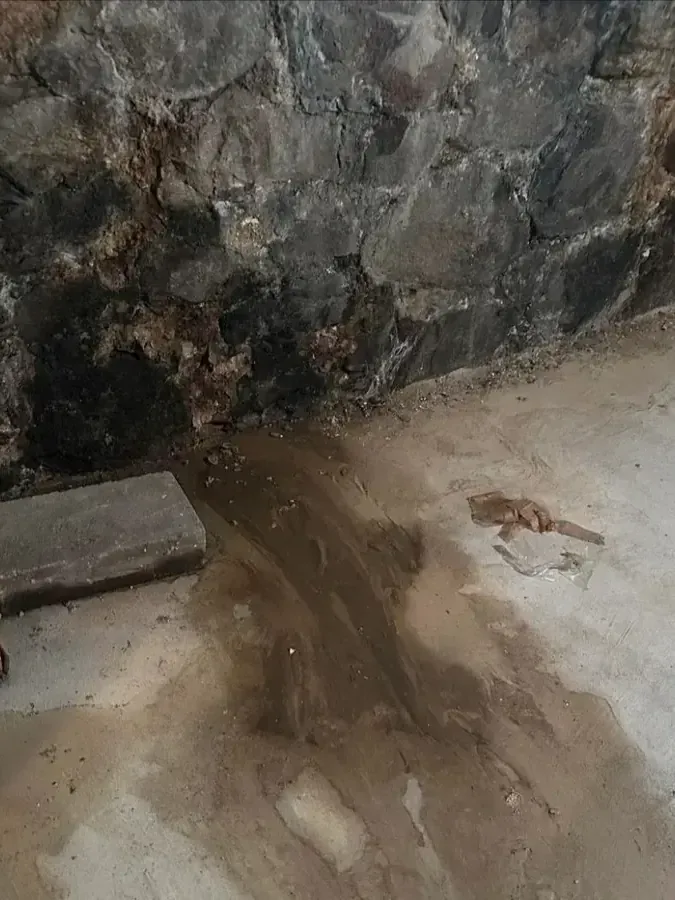
Underground garages, storage rooms and lower floors pumped dry, then dried down to the concrete.
See the service details ›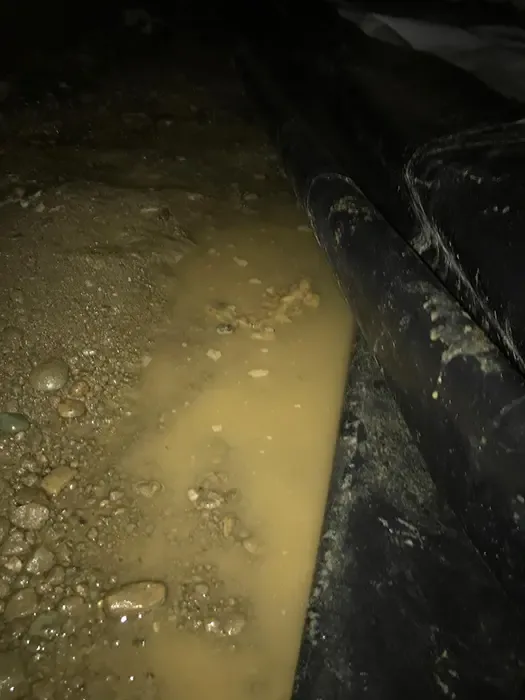
Standing water under raised floors removed, soggy insulation bagged and the joists dried from below.
See the service details ›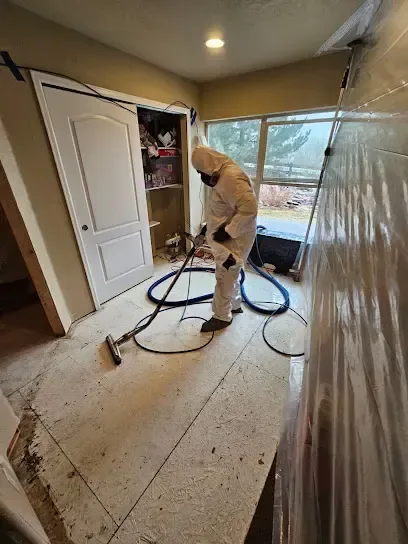
Drain and toilet backups treated as Category 3, with porous materials cut out and surfaces disinfected.
See the service details ›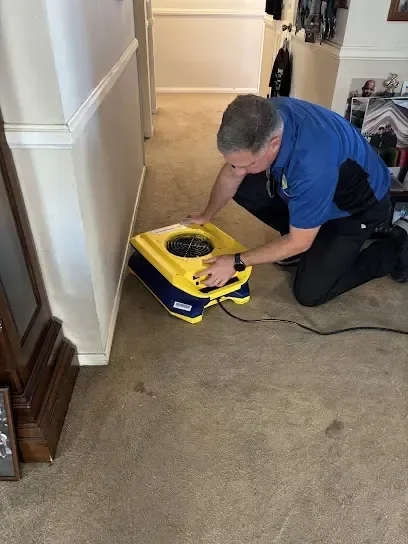
Truck-mounted and portable extraction sized for houses, apartments and high-rise buildings.
See the service details ›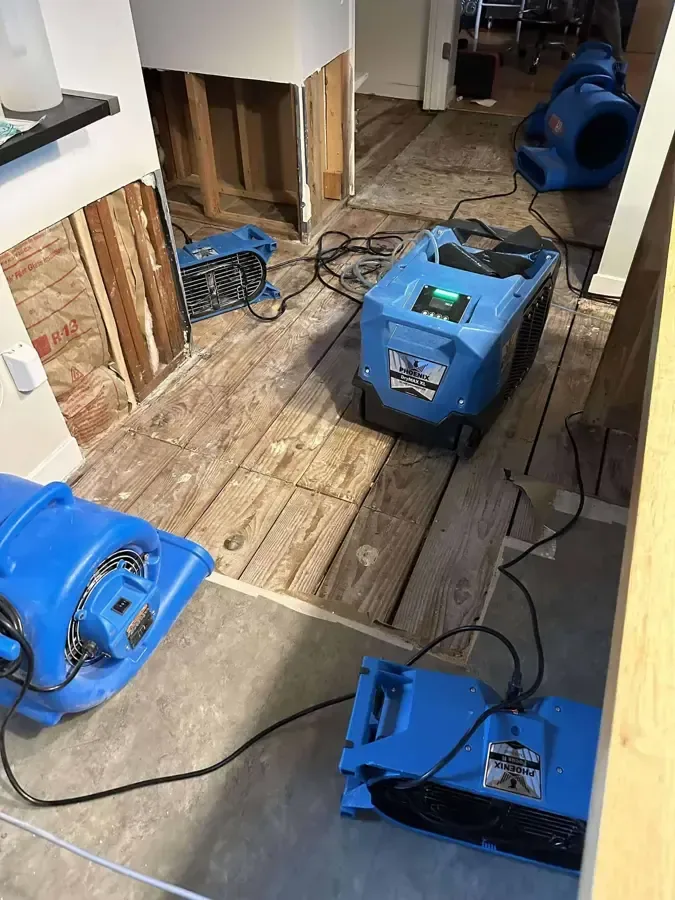
Wet framing, subfloor and concrete brought down to dry-reference readings with LGR and desiccant units.
See the service details ›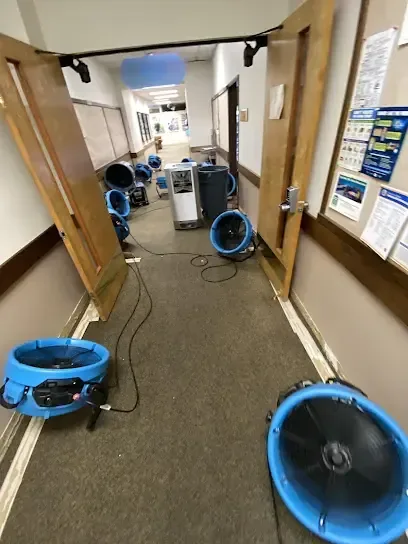
Offices, shops and medical suites along Wilshire and Santa Monica boulevards dried in phases.
See the service details ›Shut the main or the fixture valve. If water is coming from the street or a broken main, call the water utility too.
Water that reaches an electrical panel is dangerous. Keep clear and leave power decisions to the utility or an electrician.
Take wide and close photos of the water, the source and damaged belongings before anything moves.
Lift rugs, electronics and papers off wet floors, and move cars out of a flooding garage only if it is safe.
Standing water soaks deeper into walls and subfloor every hour, and mold can start growing within 24 to 48 hours.
The city wraps around Beverly Hills on every side, from Bel-Air and Beverly Crest in the hills to Westwood, Century City and Beverlywood below, so storms and main breaks both reach it.
A trunk main dating to 1916 broke near Sunset Boulevard in West Hollywood, spilling about 17 million gallons that ran downhill into homes and businesses and filled underground garages.

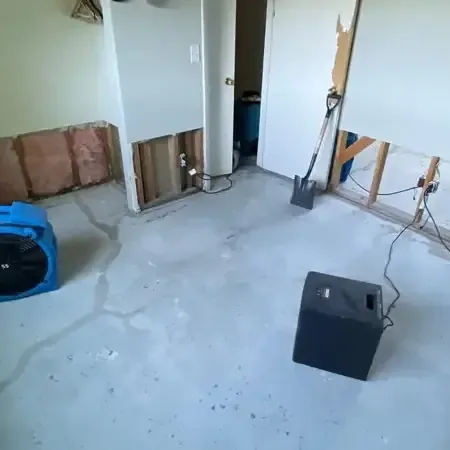
A house in Beverly Crest, a Palms apartment and a Century City high-rise each move water differently, so the drying plan starts from the building, not a template.
Water that is still moving gets treated as urgent whatever the hour, holidays included, and crews come with pumps, air movers and meters.
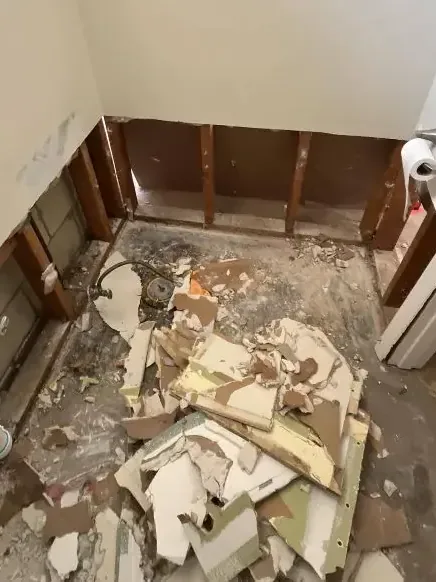
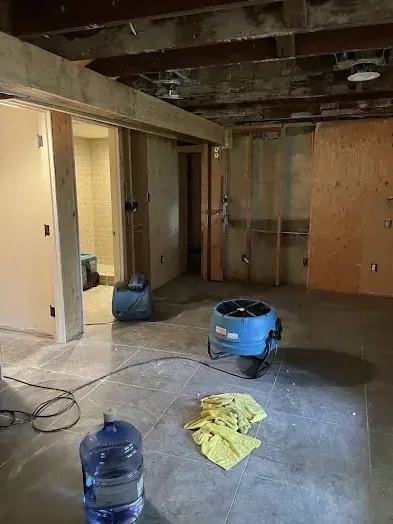
Framing, subfloor and plaster come down to a dry reference reading instead of stopping once the surface feels dry.
Every day adds readings, psychrometric logs and timestamped photos, starting before anything is cut, so the adjuster sees the whole loss.
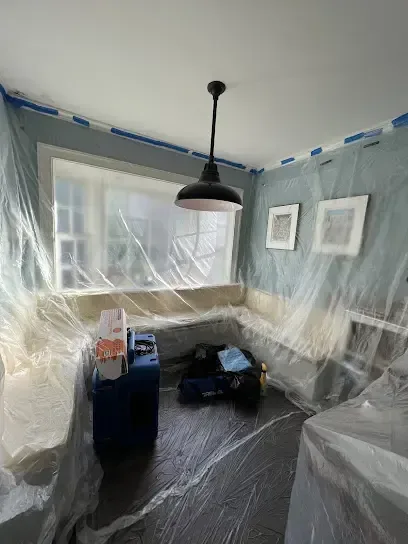
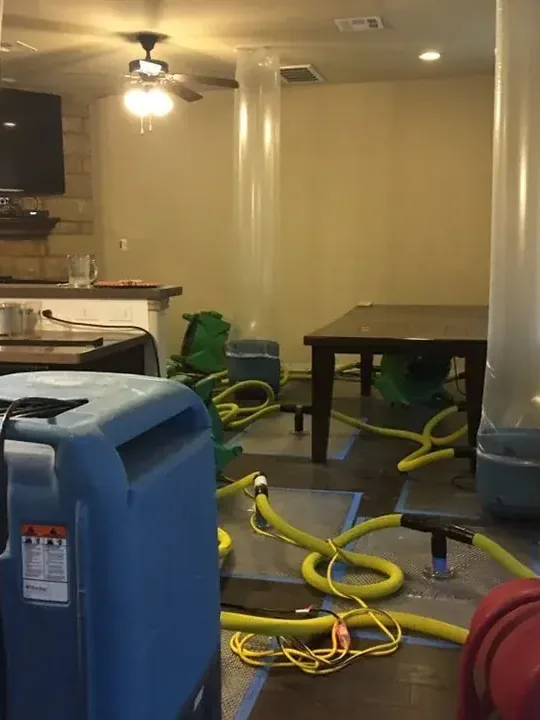
Hardwood, stone and plaster get drying mats and desiccant units, while plastic containment keeps the dry rooms out of it.
Restoration work here follows IICRC S500, the industry's written drying standard. It covers how water is graded into categories and classes, how many air movers and dehumidifiers each room needs and what readings count as dry.
Meters and thermal imaging follow water through walls, floors and ceilings before a single air mover is placed.
Category 1, 2 or 3 decides what can dry in place, and Class 1 to 4 decides how much equipment each room gets.
Air movers and LGR dehumidifiers work inside plastic containment, with desiccant units added for concrete, plaster and hardwood.
Readings are compared each day with a dry reference material in the same building until wet areas sit within 2 to 4 points.
Category 1 comes from a split supply pipe, a leaking water heater tank or an ice maker hose. Found early, most of what it wets can be dried.
Burst and pinhole pipe leaks ›Category 2 comes from a washer, a dishwasher or a toilet overflow with no waste in it. Pad is usually pulled and surfaces get an EPA-registered antimicrobial.
Appliance and supply hose leaks ›Category 3 means sewage, or street and storm water that ran over soil and pavement first. Anything porous it reached comes out.
Sewage backup cleanup ›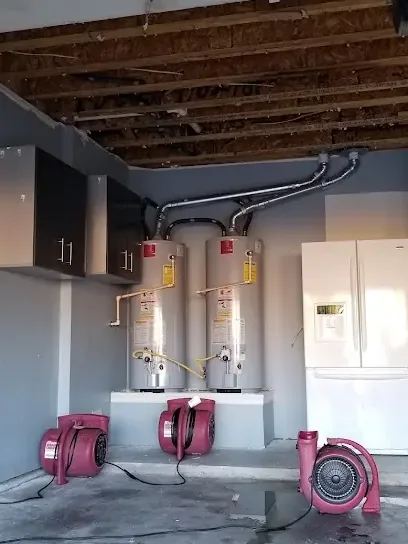
Every Westside neighborhood on this list is covered. The opening questions are the nearest cross street and the floor that is wet, which decides the equipment loaded.
Canyon houses in Beverly Crest call for long hose runs, towers in Century City call for portable units carried upstairs, and offices often prefer after-hours work.
See every city and neighborhood covered ›
Confirm coverage for a Westside addressAdjusters decide water claims on documentation. The mitigation team records the loss as the work happens, so the file shows what was wet, what was removed and the day it finally read dry.
A split supply pipe or a failed tank usually falls under different policy terms than surface water, flooding or a drip that went unnoticed for weeks.
After the July 2026 main break, residents with property damage were told to file claims through LADWP. Coverage depends on your policy, so check with your own insurer too.
Across Westside Los Angeles, most water damage restoration jobs run $1,200 to $9,000 or more. The bill tracks the water category, the wet square footage, the material class and how quickly drying began, with dense finishes costing more.
Treat these as planning numbers, not a quote. A walkthrough and moisture map set the real scope, and the water damage cost calculator narrows the range for a single loss.
Dispatch runs 24/7, including holidays, and water that is still moving is treated as urgent no matter the hour. Crews bring extraction units, air movers and moisture meters, because standing water works deeper into walls and subfloor the longer it sits.
Document everything with photos and keep receipts. After the July 2026 break, residents with property or vehicle damage were told to file claims through LADWP. The restoration team still extracts and dries the building, and the moisture file supports that claim.
Sudden and accidental water, like a split supply pipe or a failed tank, is often covered, while flooding, surface runoff and long, slow leaks follow different rules. Coverage depends on your policy, so check with your own insurer before work beyond mitigation.
Supply pipe and fitting failures, appliance hoses, water heater tanks, leaks between stacked apartments, winter cloudbursts like February 2024 and main breaks like the July 2026 rupture near Sunset Boulevard. Each source sets a different category and drying plan.
Three to five days is common for a clean-water loss that was caught quickly. Concrete, plaster, stone and hardwood hold water longer, so those jobs can run past a week, and the equipment leaves only when readings match dry material.
It means the job follows the industry's written method: the water is assigned a category, each room gets a class that sizes the equipment, and drying continues until wet materials read close to dry material elsewhere in the building.
Stop the water if a valve is reachable, photograph the damage, and tell the landlord or building manager right away. The landlord's insurer and the renter's own policy cover different things, so each side should check its own coverage.
Sewage counts as Category 3 the moment it appears. Crews suit up in PPE, seal off the area, pull out porous materials above the waterline and leave an EPA-registered antimicrobial on surfaces for its full dwell time before drying begins.
Clean-water drywall that gets attention early is often saved by venting the cavity and drying it in place. Any drywall that sewage or street water touched is cut out, and so is board that swells, crumbles or sits wet past the 24 to 48 hour mold window.
Four things drive it: what category the water is, how many square feet got wet, the material class and how soon drying started. Dense finishes add equipment days, and Category 3 water adds removal, containment and cleanup.
A single call starts pumps, containment and drying, with daily readings saved for the claim.
(888) 578-6508Get the Westside dry-out started