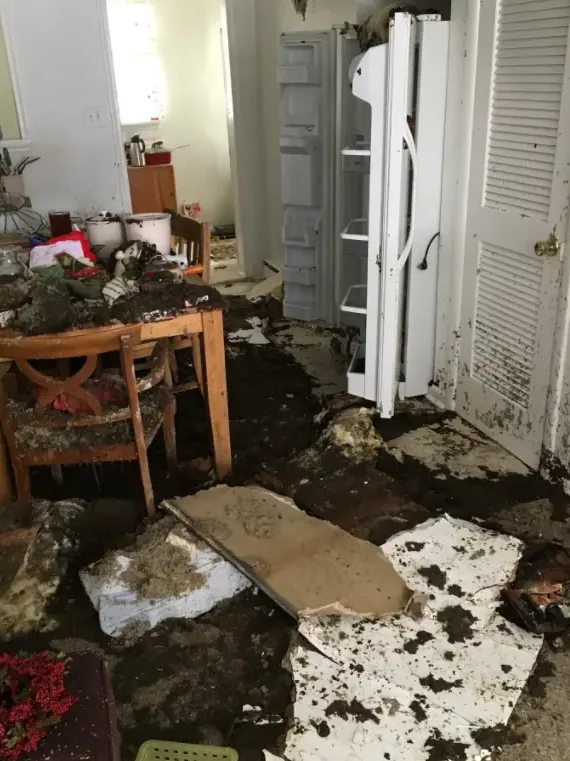
Hawthorne has seen water main trouble before. In January 2010 a break on Hawthorne Boulevard flooded the street and sidewalk, and city workers closed the boulevard. In early February 2010 another pipe ruptured, and water was still bubbling to the surface two hours after the leak was reported. A break like that is a street problem first. What matters to a homeowner is where the water goes next.
Key takeaways
- In January 2010 a main break on Hawthorne Boulevard flooded the street and sidewalk. The boulevard was closed, and the local water department fixed the break the next morning.
- It was unknown whether homes or businesses were affected. Street water and property water are separate questions.
- A main is the large pipe in the street. The pipes inside a property are separate, and the cleanup inside is a different job.
- Water that comes in from a street is treated as contaminated, because it has crossed pavement, soil and gutters.
- Photograph the water and the damage, then extraction comes first, followed by drying.
What two 2010 breaks showed
In January 2010 a water main break on Hawthorne Boulevard flooded the street and the sidewalk late in the evening. City workers closed the boulevard, and the local water department fixed the break the next morning.
Reports said it was unknown whether any homes or businesses were affected.
In early February 2010 a pipe ruptured on another street. Water was still bubbling to the surface two hours after the leak was reported in the early morning.
- A break can run for hours before the water is under control.
- A street and sidewalk can flood before any property is touched.
- A repair can take a night, and the street may stay closed.
- Owners need their own records, because nobody documents property damage on their behalf.
How street water reaches a house
Water from a broken main spreads across pavement and follows the slope of the street. Anything that is lower than the roadway is at risk.
Low points and thresholds
A driveway that slopes toward a garage, a front step with a gap under the door and a patio door with a worn seal are the first places water finds.
Once it passes a threshold, it reaches flooring, baseboards and the bottom of the wall.
Garages and lower rooms
A garage is built to be open to the street, so it often takes on water first. Stored boxes, tools and appliances sit on the slab, and a door into the house is usually close by.
- Move vehicles and valuables out of the water path if it is safe.
- Do not wade through water near outlets or a panel.
- Place towels or a barrier at the door into the house.
Report the break, then protect the property
The local water department handled the 2010 repairs, so break reports belong with that department. A property owner who sees water reaching a driveway or door should report the break and then protect the property.
The reports of the two events leave out what happened inside nearby buildings, which is the usual gap. A street break is reported publicly, while damage to a property is the owner's to document.
- Report the break and note the time it was reported.
- Photograph the street water, the driveway and any water at the door.
- Keep out of water that may touch electrical equipment.
- Note any odd smell, which can point to sewage mixing with the water.
- Tell the landlord or insurer if water reaches the home.
Why street water is treated as contaminated
Water from a main starts out as drinking water. As it flows over pavement, soil and gutters, it picks up dirt, oil and debris.
Restoration standards such as IICRC S500 class water that arrives from outside across the ground as Category 3.
That changes the cleanup. A flood water cleanup treats porous materials that soaked it up as contaminated, and hard surfaces are cleaned and treated before drying.
How extraction and drying proceed
Extraction first
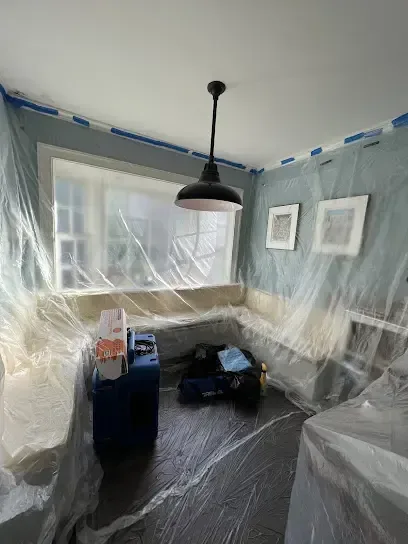
Pumps and extractors take up standing water in garages and entry rooms. Water extraction happens before any drying equipment goes in, since wet materials keep absorbing while water remains.
Carpet, padding and drywall bottoms that wicked water are removed.
- Garage slabs and entry floors are extracted and cleaned first.
- Carpet, padding and cardboard that sat in the water are discarded.
- Drywall is cut above the highest wet point.
- Baseboards and door trim come off so the wall bottoms can dry.
Drying the structure
Air movers and dehumidifiers dry the slab, subfloor and wall bottoms. A technician repeats moisture readings and compares them with a dry reference until the structure reaches it.
Renters, owners and the paperwork
The 2020 census counted 31,578 housing units in Hawthorne, and 72.6 percent of occupied homes were rented. In a rented home, the first call about water at the door often goes to the owner.
Tell the owner in writing, with photos and times. Renters should tell their own insurer if they have a policy.
- Owners keep damage photos, repair estimates and receipts.
- Renters keep a list of damaged belongings and a copy of every message to the owner.
- Everyone keeps moisture readings and drying logs from the crew.
When the water came from the pipe inside
Not every wet floor traces back to the street. A split supply pipe inside the property can look much the same.
A plumber can tell the two apart, and a burst pipe water damage cleanup follows the same extraction and drying steps.
For the full list of local services, see the Hawthorne water damage restoration page.
- Check the water meter with every fixture off. A moving dial points to the pipes inside.
- Look for wet areas that start inside the house rather than at the door.
- Note whether the street is wet at the same time, since a break outside usually shows there first.
Questions
Who should be told about a water main break near a home?
Break reports go to the local water department, which handled the 2010 repairs. A property owner also tells the landlord or insurer if water reaches the property.
Did the 2010 breaks flood homes?
The reports said it was unknown whether homes or businesses were affected. They described the street and sidewalk flooding and the closure of the boulevard.
Is water from a street main clean?
It starts clean, but it picks up dirt, oil and debris while it crosses pavement and soil, so the cleanup treats it as contaminated.
Can a driveway or garage take on water from a break in the street?
Yes. A garage with a low slab, a door with a worn seal or a driveway that slopes toward the building can let street water in.
Does insurance cover water that comes from a street main?
It depends on the policy wording and the source of the water. Ask the insurer, and keep photos and records either way.