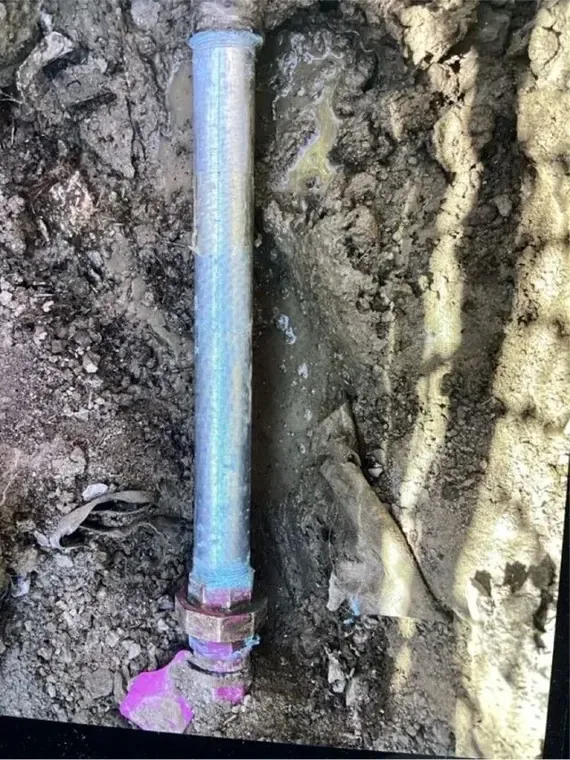
Inglewood has a lot of older homes. The Census 2024 estimate puts the median home at 1961, and 21,457 of the city's 44,315 housing units were built in 1959 or earlier. A pipe that leaks inside a wall in a house that age can run for a long time before anyone sees it.
Key takeaways
- The median Inglewood home dates to 1961, and nearly half of all housing units were built in 1959 or earlier.
- Signs of a hidden leak include a damp baseboard, a growing stain, a musty smell and a water meter that moves when everything is off.
- Shut off the water at the main valve, then check the meter to confirm the leak has stopped.
- Wet drywall and insulation are opened and dried, and a plumber repairs the pipe itself.
- Plumbing and drying are separate jobs, and photos and moisture readings support an insurance claim.
Why age matters in Inglewood homes
Of 44,315 housing units, 7,272 were built in 1939 or earlier, 6,491 from 1940 to 1949 and 7,694 from 1950 to 1959. Added together, 21,457 units date from 1959 or earlier.
Another 16,816 units are detached single-family homes.
Inglewood Knolls, in the southeastern corner of the city, is a subdivision of tract homes built in 1953 and 1954. Homes of that vintage have had decades of daily use, and every valve, joint and fitting has been working longer.
What age changes behind a wall
No single pipe type is standard here, and the only way to know what sits behind a wall is to open it. What age does change is wear.
A plumber can check the pipe, the pressure and the fittings and say what needs repair.
- Shutoff valves that have not been turned in years may stick or drip.
- Fittings and connectors wear with decades of use.
- Older repairs and add-on plumbing from past remodels can fail at the joints.
- Several layers of paint and patching can hide a stain for a long time.
Signs of a hidden leak
A leak inside a wall seldom announces itself. The signs build slowly, and most of them are easy to miss.
- A baseboard or wall that feels cool, soft or damp
- Paint that bubbles, peels or stains
- A musty smell in a closet or hallway
- The sound of running water when every fixture is off
- A water bill that rises without any change in use
- A water meter dial that moves when everything is off
The meter test
Turn off everything that uses water, including the washer and the ice maker, then watch the meter. A dial that keeps moving means water is going somewhere.
If the dial stops when the main valve is closed, the leak sits somewhere on the house side of that valve.
Shutting the water off
Once a leak is suspected, the first action is to stop the water. The main valve is usually near the meter or where the supply enters the house.
A burst or pinhole pipe leak can release a lot of water inside a closed wall, so speed matters more than a neat repair. A burst pipe water damage call is about what happens after the valve is shut.
- Close the main valve and open a low faucet to drain what is left in the pipes.
- Photograph the stain, the wall and the meter before anything is moved.
- Move furniture and belongings away from the wet area.
- If water has reached outlets or the panel, switch off power at the panel only if it is safe to reach. Otherwise stay out and ask an electrician.
Opening the wall and drying the cavity
Where the wall is opened
A moisture meter and a thermal camera show how far the water traveled. The opening follows the wet material and stops where the readings turn dry.
Drywall that is wet through is cut out, wet insulation is removed and baseboards come off so the bottom of the wall can breathe.
How the cavity dries
Air movers push dry air through the open cavity while dehumidifiers pull moisture from the room. Structural drying continues until framing and subfloor read within 2 to 4 points of a dry reference.
Hardwood and tile floors near the wall are checked as well, since water often runs down inside the wall and out along the floor.
The openings are patched later. The aim at this stage is dry framing, because new drywall over a damp cavity only hides the next problem.
- Equipment usually runs for several days.
- Readings are repeated at each visit.
- Equipment stays until the dry reference is reached.
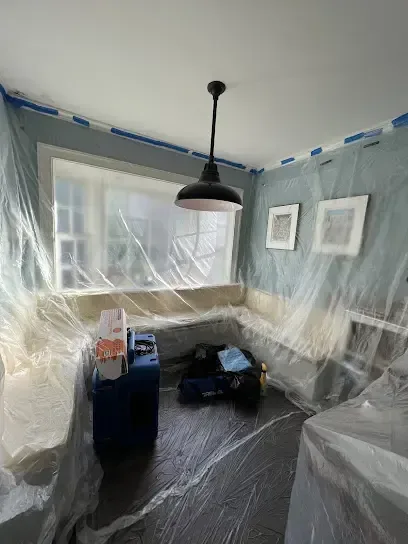
Plumbing repair and drying are separate jobs
A plumber finds and repairs the pipe. The restoration crew removes water and dries the structure.
The order matters, because drying a wall that is still being fed by a leak only delays the problem.
Where there is standing water on a floor, water extraction comes first, followed by the opening and drying of the wall.
- Ask the plumber to confirm in writing that the leak has been repaired.
- Do not close the wall until readings show it is dry.
- Keep the plumber's invoice with the photos and drying logs.
- Ask the plumber whether other fittings of the same age should be checked.
Renters, owners and the insurance conversation
In Inglewood, 25,560 of the 41,580 occupied homes are rented and 16,020 are owner-occupied. That means many leaks happen in a home where the person who sees the stain is not the person who pays for the repair.
A renter should tell the owner in writing, with photos, right away. An owner should call the insurer before throwing out damaged materials, since policies differ on what a hidden leak covers.
For the full picture of local help, see the Inglewood water damage restoration page.
Questions
How can I tell if a pipe is leaking inside a wall?
Look for a damp or soft baseboard, a stain that grows, a musty smell, the sound of running water when everything is off and a water meter that moves when no fixture is in use. A moisture meter confirms it.
Should I shut off the main valve for a suspected hidden leak?
Yes. Closing the main valve stops new water while the source is found. If the meter stops moving once the valve is closed, the leak is on the house side.
Does the age of a home make a pipe leak more likely?
Age alone does not decide it, but fittings, valves and old repairs have had more years of use. A plumber can look at the pipe and the pressure and advise.
Can a wet wall dry without being opened?
Sometimes a small area can be dried through small openings. Drywall that is soaked, or insulation that holds water, usually has to be opened. Moisture readings decide.
Who arranges the repair in a rented home?
The owner usually arranges plumbing repairs, so a tenant should report the leak in writing and keep photos and dates.