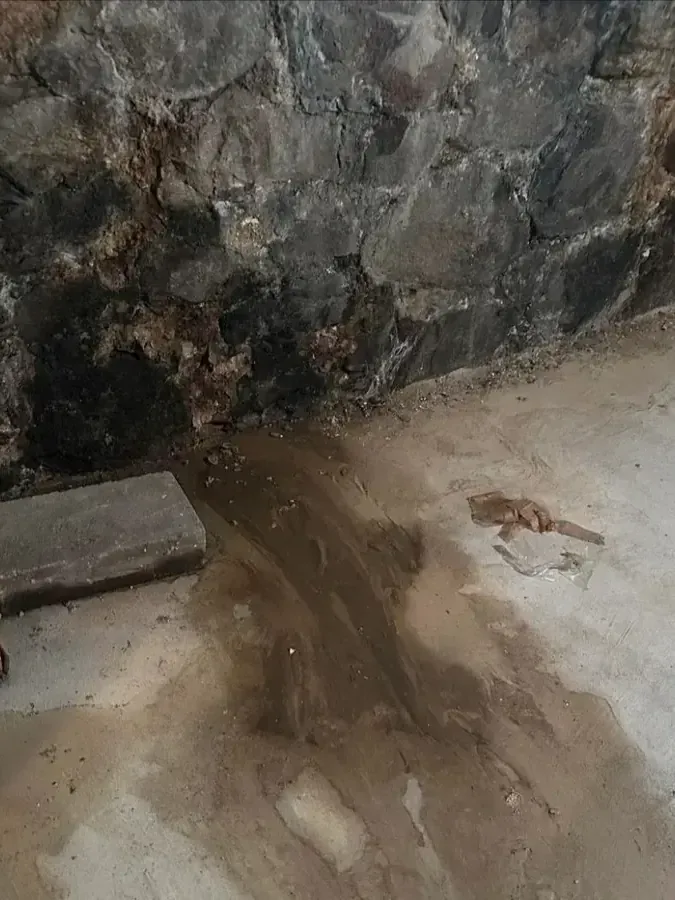
On July 16, 2026, a trunk pipe that dated to 1916 ruptured near Sunset Boulevard in West Hollywood. The break was at the top of a hill, and the water ran downhill into businesses and homes. The event is a clear picture of what happens to an underground garage when a large pipe fails above it.
Key takeaways
- The July 16, 2026 break was in West Hollywood, not inside the City of Los Angeles, and it released about 17 million gallons.
- Because the pipe failed at the top of a hill, water ran downhill and filled underground garages. An estimated 150 to 200 cars were damaged or destroyed.
- A garage below street level collects water because it sits low and has few ways to drain.
- A few residential units lost electricity because water compromised their electrical panels, so power safety comes before cleanup.
- Residents with damage were told to file claims through the water utility, so photos and records matter.
What happened in West Hollywood in July 2026
A trunk pipe dating to 1916 ruptured near Sunset Boulevard on July 16, 2026, spilling about 17 million gallons and opening a large sinkhole. The failed pipe was 110 years old, and the break was described as the worst in years.
Water ran downhill into businesses and homes, filled underground garages and damaged or destroyed an estimated 150 to 200 cars. Sunset Boulevard was closed for at least several days.
West Hollywood is surrounded by the City of Los Angeles but is its own city, and the break did not occur inside Los Angeles city limits. This post uses the event as an example of how a hilltop break sends water downhill.
Why underground garages fill first
Water goes to the lowest point it can reach. A garage below street level works like a bowl, and the ramp that cars use also carries water in.
- The ramp channels water from the street straight into the structure.
- Garage floor drains are built for small amounts of water, not a surge.
- Stairwells and elevator shafts can carry water to other levels.
- Cars, storage cages and equipment rooms sit at the lowest level.
Why garage water is a bigger job than it looks
Water in a garage rarely stays there. It enters elevators, stairwells, storage rooms and the units on the lowest floor, so the job often grows beyond the garage itself.
In a shared building, one person should coordinate access so pumping, drying and electrical work do not collide.
Why a break at the top of a hill reaches so far
Water that escapes at a high point has the whole slope to run along. A large pipe failing on a hillside sends water along the same path rain would take, only far faster.
Aging pipes and what the reports said
Reports on the event noted that nearly a third of the city's water pipeline is approaching retirement. That does not mean every pipe is at risk, and it does not mean every pipe is 110 years old.
This one trunk pipe dated to 1916.
For owners, the practical point is simple. Know where the lowest level of the building is, and know who controls the pumps and power there.
What owners of low space can check ahead of time
A few minutes on a dry day make a flooded day easier to manage.
- Find the lowest floor drain, sump or pump and confirm it runs.
- Mark the main water shutoff and the electrical panel.
- Keep storage off the floor.
- Photograph the space while it is dry, so later damage is easy to show.
The first steps for a flooded garage or ground floor
A building owner who needs the water out and the lower levels dried can learn how basement flooding cleanup works for below-grade rooms.
- Stay out of water that is near outlets, panels, elevator controls or equipment rooms until power is confirmed off.
- Do not run vehicles or equipment while they stand in water.
- Photograph the water, the vehicles and the walls.
- Ask the building manager who is in charge of pumping and power, since garages are often shared.
- Move valuables from low shelves and storage cages when it is safe.
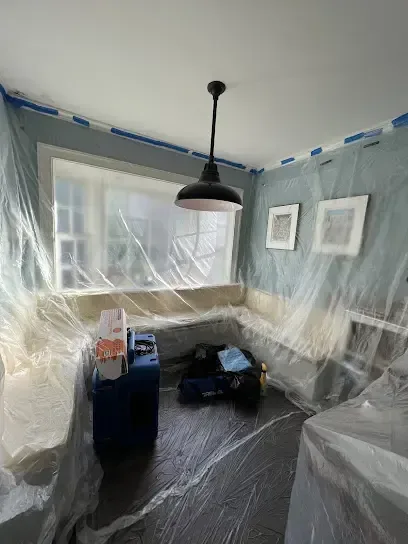
How extraction and drying are done in a garage
Pumping and extraction
Large volumes call for pumps and truck-mounted extraction. Water extraction lowers the water in steps, with someone watching the level and the walls as it drops, then clears what is left on the slab.
Water that has crossed a street and entered a garage can carry dirt, oil and debris, so flood water cleanup treats it with caution.
Drying below ground
Concrete floors, block walls and the ground floor above are dried with air movers and dehumidifiers. Drying ends when readings match a dry reference, not on a set date.
- Wet drywall and insulation on the garage level are removed.
- Equipment rooms are dried only after power has been confirmed safe.
- Readings are repeated at each visit and logged.
Power, panels and safety
The reports from July 2026 said a few residential units had their electricity shut off because the water compromised their electrical panels. That is a reminder that electrical safety comes before cleanup.
Water at or near a panel means the panel is checked by an electrician before the power is turned back on.
- Whether water reached the panel or the breakers inside it
- Outlets and wiring in the wet zone
- Garage gates, elevators and lighting controls that share the same circuits
- Whether equipment can run safely while drying is under way
Claims, records and building managers
Residents with property or vehicle damage from the break were told to file claims through the water utility. Photos, dates and repair estimates are what a claim runs on.
A building manager can help by gathering the reports from every affected household in one place.
- Photos of water depth, vehicles and walls
- Receipts and repair estimates
- Names of everyone who reported damage in a shared building
- Moisture readings and drying logs
Questions
Did the July 2026 break happen inside the City of Los Angeles?
No. It happened in West Hollywood, near Sunset Boulevard. West Hollywood is surrounded by the City of Los Angeles but is a separate city.
How much water came out?
About 17 million gallons were reported.
Is water from a broken main clean?
It starts as drinking water, but it can pick up dirt, oil and debris as it runs across streets and into garages, so the cleanup treats it with caution.
Why were some units without power?
Reports said a few residential units had electricity shut off because water compromised their electrical panels.
Who files a claim for vehicle damage?
Residents with property or vehicle damage were told to file claims through the water utility. Anyone in a similar situation should keep records and ask the building manager and insurer how to proceed.