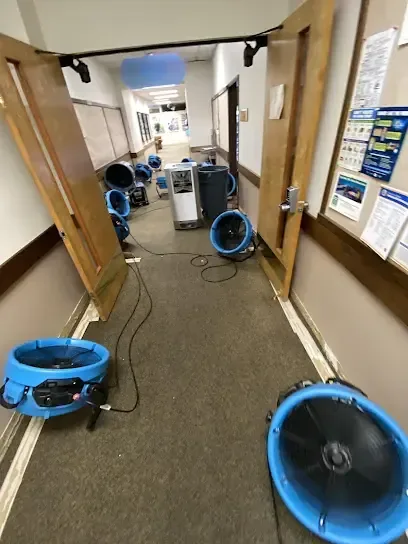
Downtown is described as the heart of the city, with restaurants, boutiques and a mixed-use center along the boulevard and the streets that lead to the pier. When water gets loose in a space like that, the loss is bigger than the floor. Orders stop, stock gets wet and the doors may have to close.
Key takeaways
- Shut off the water first, then power to wet equipment, before anything else is touched.
- Move stock, records and electronics to dry ground before they wick moisture.
- Kitchen surfaces and equipment that touched water are cleaned before food service resumes.
- A phased plan can dry the worst areas first so part of the business can keep trading.
- Photos, receipts and a list of lost stock support the claim.
Why downtown spaces are hard to shut down
Downtown runs along Manhattan Beach Boulevard and the streets leading to the pier and Valley Drive. The mix of restaurants, boutiques and a mixed-use center means walls, ceilings and floors are shared, and one failure can reach a neighbor.
The North Manhattan Beach business district, near Rosecrans and Highland, covers 32nd Street to 45th Street and has over 80 businesses. The Rosecrans corridor adds retail stores, restaurants, supermarkets and multi-story office buildings.
- Shared walls pass water from one suite to the next.
- Upper-floor units can drip onto the shop or kitchen below.
- Restaurants hold a lot of water equipment in a small footprint.
- Customers and staff are in the space when a loss starts.
The first steps for the owner or manager
The first minutes decide how far the water spreads, so the list is short and in order.
- Shut off the water to the affected fixture, or at the main if the source is unclear.
- Switch off power to wet equipment and outlets only if the panel is dry and reachable.
- Move stock, paperwork and electronics off the floor and away from wet walls.
- Photograph the water, the source and the damage before cleanup.
- Tell the building owner or property manager, since walls and ceilings may be theirs.
Kitchens and restaurants
Where kitchen water comes from
A restaurant kitchen has many places for water to escape, and some of them sit behind equipment.
- Ice machines and their drain pipes
- Dish machines and prep sinks
- Water heaters and supply connections
- Floor drains that back up
Cleaning before reopening
Hard surfaces, equipment bases and floors that touched water are cleaned and treated before food service resumes. If the source was sewage, the area is handled as Category 3.
The owner decides with the crew when the kitchen is ready. A commercial water damage plan puts those steps in order.
Shops and boutiques
In a shop, the first loss is often stock. Clothing, paper goods and cardboard boxes absorb water fast, and display fixtures and fitting rooms hold moisture at the base.
Water that spreads under flooring can travel well beyond the visible wet spot, so floors are checked with a meter rather than by sight.
Fitting rooms, stockrooms and storefront entries each need their own check. Water that stops at a threshold on a hard floor can still be running along the subfloor.
- Lift stock off the floor onto dry shelves or tables.
- Separate wet items from dry ones and photograph both.
- Open cabinets and display bases so air can reach them.
- Keep a list of what was lost, with cost and quantity.
Drying in phases so the business can keep working
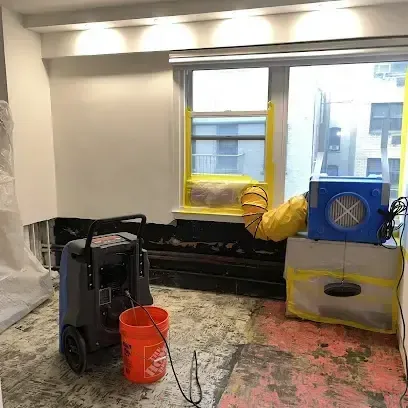
Extraction comes first. Water extraction removes standing water, then drying equipment goes where the readings are highest.
A phased plan dries the worst areas first and keeps a path open for staff and customers where it is safe. Where a dining room and a kitchen are both wet, the crew and the owner agree on an order that matches how the business earns its money.
Structural drying continues until the readings reach a dry reference.
- Dry the kitchen or back of house first if food service is the priority.
- Close off wet sections with plastic sheeting to protect dry ones.
- Schedule noisy equipment around opening hours where possible.
- Remove equipment only after readings confirm the structure is dry.
Units above the shop or kitchen
A mixed-use center puts offices, apartments or other shops on the floors above a ground level business. Water from one of them reaches the ceiling below, usually through a shared wall or a pipe chase.
The source has to be found and stopped before the ceiling is dried. The building owner or property manager coordinates that, since the pipes and walls are shared.
- Ask the owner who controls the water shutoff for the upper units.
- Cover stock and equipment with plastic below a stained ceiling.
- Photograph the ceiling and mark the edge of any stain.
- Keep the area below the ceiling clear so it can be opened and dried.
Ceilings in shops
A wet ceiling is opened where the material is soaked, and the cavity above is dried. A ceiling leak water damage job in a shop also checks the lights and the ceiling grid that hang from it.
Records that support the claim
A water loss in a business involves property, stock and lost sales. Records make each of those easier to show.
Keep daily notes as well. A short entry on what was closed, what stayed open and what was thrown out turns a vague loss into a clear one.
For more on local help, see the Manhattan Beach water damage restoration page.
- Photos and short videos taken before cleanup
- A stock list with cost and quantity
- Receipts for emergency work
- Sales records from comparable days, if lost income is part of the claim
- Moisture readings and drying logs from the crew
Questions
Should a restaurant close after a water loss?
It depends on the source and the spread. Clean water from a supply pipe in a dining room is different from sewage in a kitchen. The owner decides with the crew which areas can stay open and when the kitchen is ready.
What gets dried first in a shop?
The areas with the highest moisture readings and the materials that hold water longest, such as subfloor, wall bottoms and cabinet bases.
Can wet stock be saved?
Some hard goods can be cleaned and dried. Paper, cardboard and absorbent fabric that sat in water are often lost, and a photo and a list help with the claim.
How is a leak from the unit above a shop handled?
The source is found and stopped first. The ceiling is opened where it is wet, and the shop below is dried along with the cavity. The building owner should be told right away.
Does business insurance cover lost income?
Some commercial policies include lost income, and others do not. Read the policy or ask the insurer, and keep sales records and daily notes to support any claim.